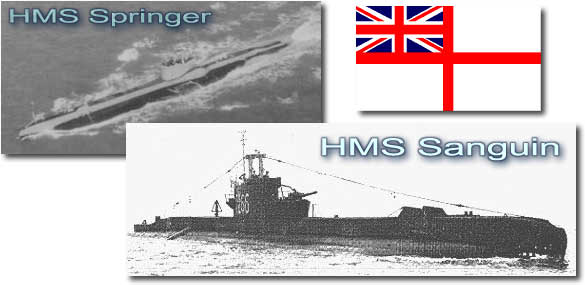
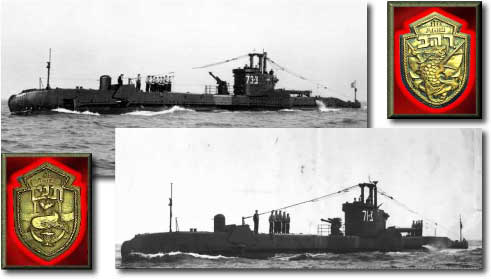
On 21 September 1958, the Israeli government approved the purchase of two submarines from the Royal Navy: HMS Springer and HMS Sanguine. Both were S-class boats built by Cammell Laird in Birkenhead during the Second World War and launched towards its end. They would become the first submarines to serve in the Israeli Navy.
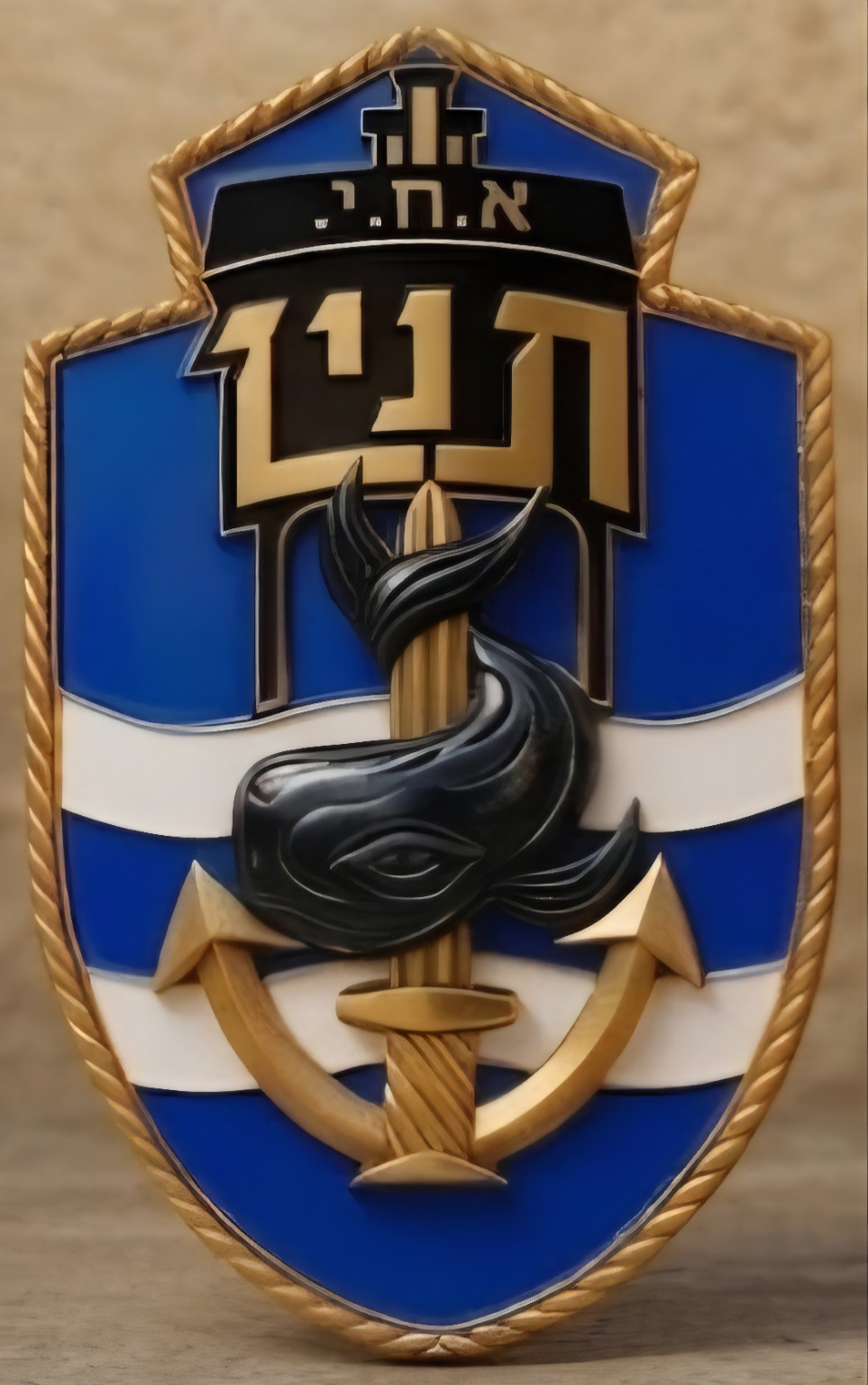
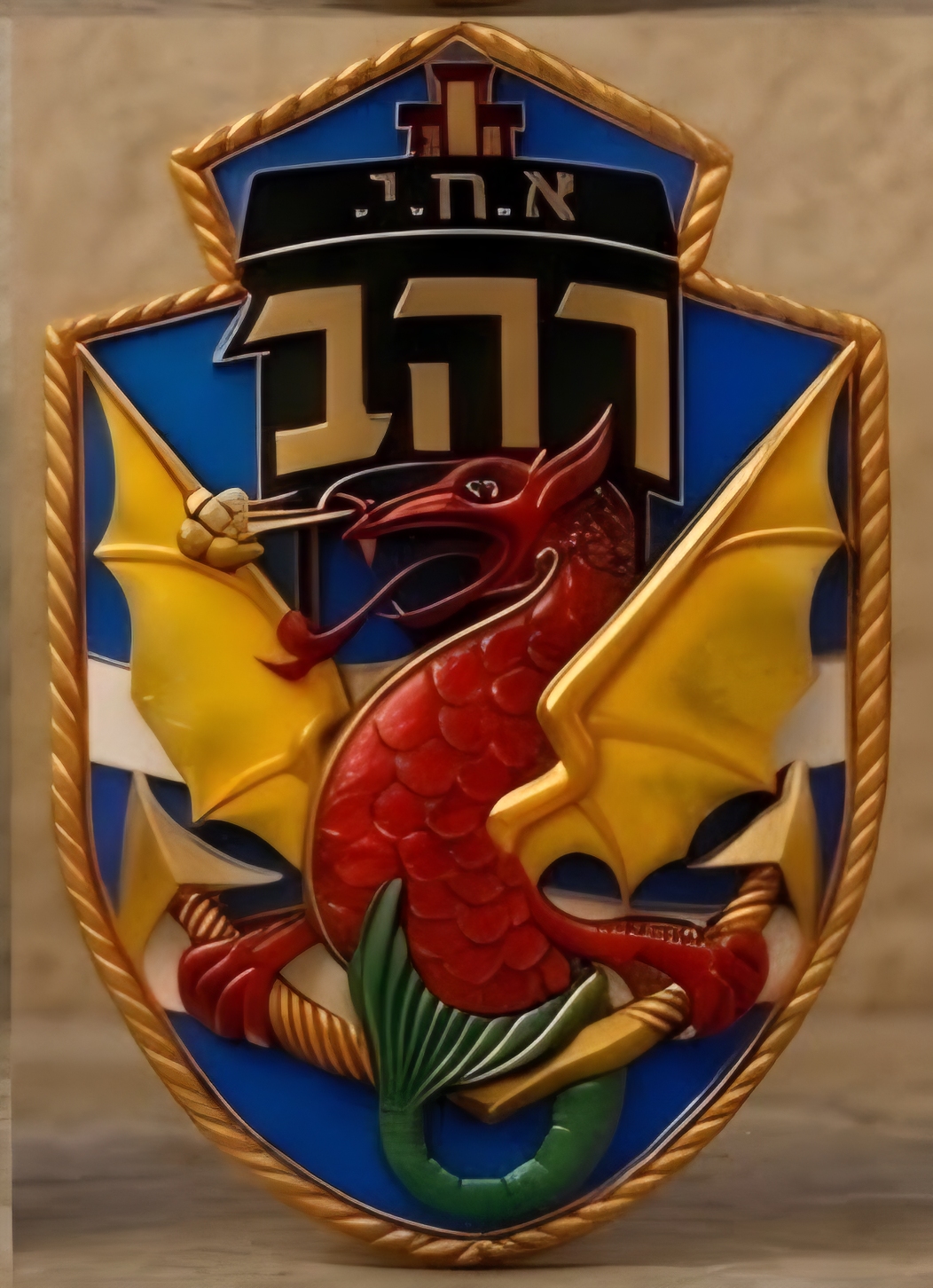
David Ben-Gurion, Israel's first prime minister, gave the submarines their Hebrew names. Springer became INS Tanin, and Sanguine became INS Rahav. Both names refer to the mythical creatures mentioned in Isaiah 51:9: Tanin, the dragon, and Rahav, known as Rahab in English translations.
“Awake, awake, put on strength, O arm of the LORD; awake, as in the ancient days, in the generations of old. Art thou not it that hath cut Rahab, and wounded the dragon?”Isaiah 51:9, King James Version
Training and the voyage to Haifa
Following a refit at Cammell Laird, INS Tanin was commissioned under the Israeli flag in August 1959. Rahav followed. The crews then undertook operational training and sea, diving and torpedo trials in England and Scotland.
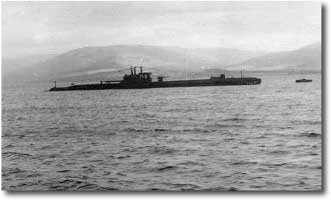
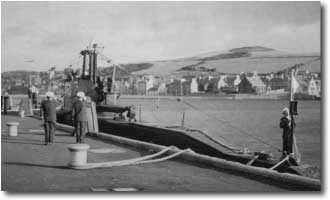
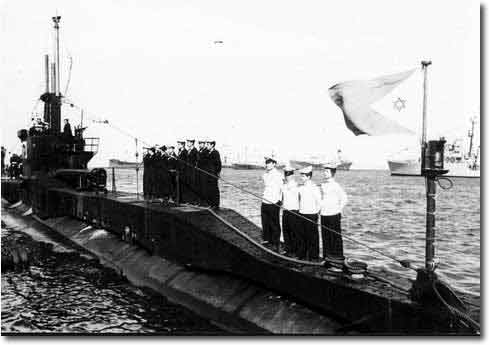
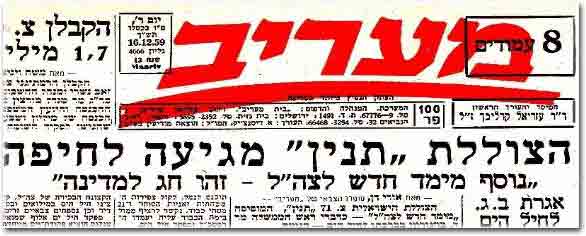
In November 1959, Tanin left Portsmouth for her new home port, Haifa. On 16 December 1959, under the command of Lieutenant Commander Yosale Dror, Israel's first submarine entered Haifa harbour.
Six months later, on 16 June 1960, Tanin's sister boat, INS Rahav, arrived in Haifa under the command of Lieutenant Commander Hadar Kimchi.
The story of the Israeli submariner's badge
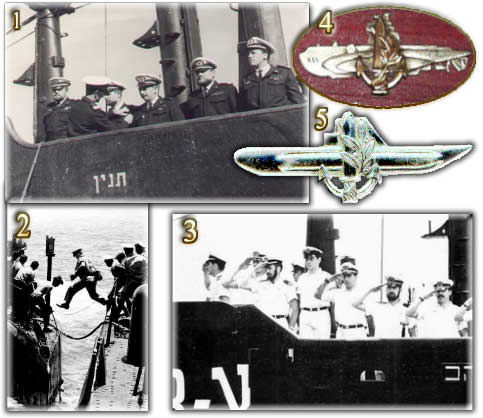
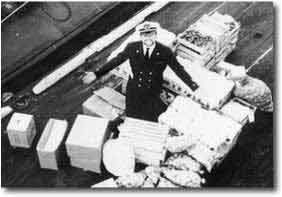
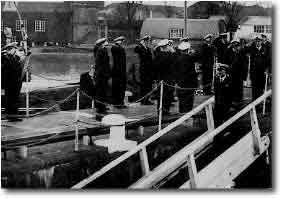
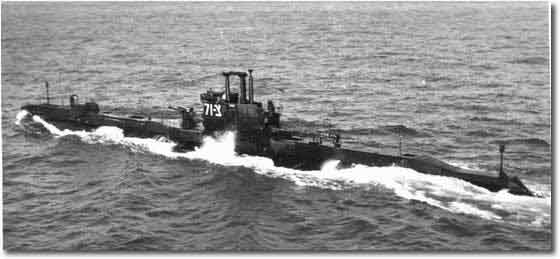
When Tanin docked in Haifa, Yosale Dror presented the new Israeli submariner's badge to her officers and crew (1). Six months later, Tanin met Rahav at sea as the latter approached Israel. With a bag full of badges, Yosale crossed from bow to bow (2). Hadar Kimchi then presented the badges to Rahav's officers and crew on her bridge (3). The men disliked the original design (4) and refused to wear it. A replacement was designed and accepted (5). This became the badge awarded to all Israeli submariners, officers and enlisted personnel alike, on completing their qualification.
Service in the Mediterranean
Tanin and Rahav were products of a design that predated the Second World War. Conditions on board were demanding, especially in the Mediterranean heat. Temperatures in the engine room could reach 40°C (104°F), the diesel engines were extremely noisy, and the snorkel had to be raised manually from its stowed position. Despite these conditions, both submarines carried out highly secret missions in the years before the Six-Day War.
Tanin in the Six-Day War
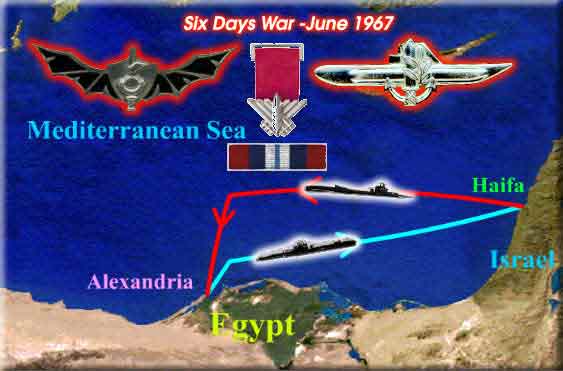
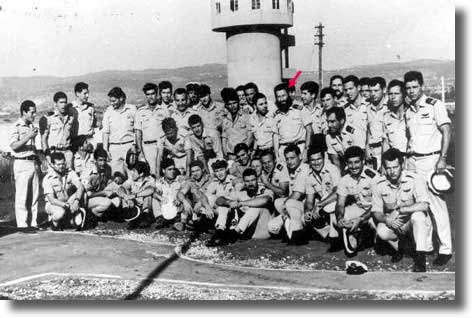
During the Six-Day War in June 1967, Tanin transported naval commandos to Egypt for an attack on the port of Alexandria. She also fired torpedoes at an Egyptian warship, but missed. The ensuing depth-charge attack caused considerable damage, including damage to her sonar. Despite this, Tanin returned to the planned rendezvous to recover the commandos. Her commander did not yet know that they had been captured.
For their wartime service, Tanin's crew became entitled to wear the red combat background behind their submariner's badge, rather than the usual blue. Her commander, Lieutenant Commander Abraham (Ivan) Dror, later a Rear Admiral, was awarded Israel's Medal of Courage for his actions off Alexandria.
The end of an era
In the years following the Six-Day War, both submarines were decommissioned. Rahav was sold for scrap, while Tanin later served as a target for a torpedo fired by INS Dolphin. The S-class boats were succeeded by the T-class submarines.
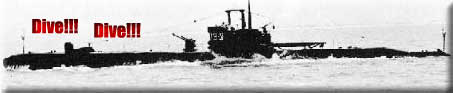
Dive! Dive!
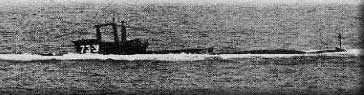
Listen to the diving klaxon and follow the sequence below.



General characteristics
- Displacement
- Approximately 815 tonnes surfaced; 1,000 tonnes submerged.
- Length
- 66.2 metres overall; pressure hull 61.7 metres.
- Crew
- 57 officers and enlisted personnel.
- Armament
- Six forward 21-inch (533 mm) torpedo tubes, a 4-inch deck gun, a 20 mm anti-aircraft gun and two .303-inch machine guns.
- Speed
- 14.7 knots surfaced; 9 knots submerged.
- Diving depth
- Approximately 110 metres (365 feet).
- Machinery
- Two eight-cylinder Admiralty diesel engines, 1,550 bhp; Admiralty electric motors, 1,300 bhp.
- Range
- 6,000 miles at 10 knots on the surface.