1967–1974
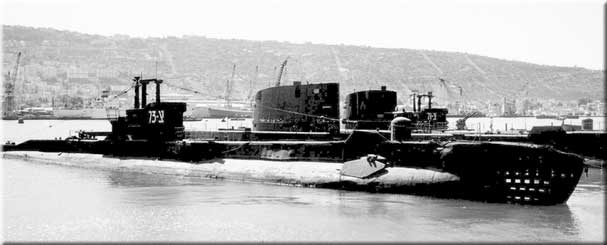
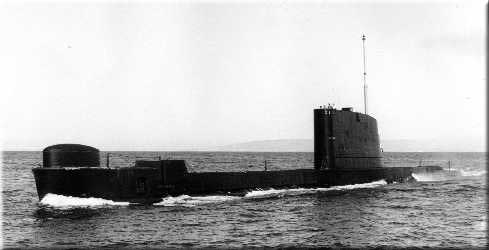
From 1967 to 1974, the T-class submarines Leviathan, Dakar and Dolphin served with the Israeli Navy. They were the largest submarines in the fleet at that time. Then came the terrible tragedy: Dakar sank. The loss left deep pain, but it did not stop the flotilla. We continued our missions, set out on operational deployments, and faced the sea and our responsibilities together.
We were an extraordinary group — professionals, friends, brothers in service. Pride in that generation does not erase the grief; it lives beside it. Dakar and the friends we lost remain part of us. These stories and photographs preserve their memory and the spirit of those years.
Select a photograph to view it larger.
A new generation of submarines
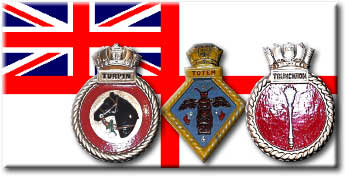
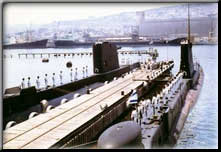
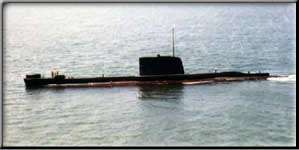
About five years after the arrival of the S-class boats, the Israeli Navy began preparing to replace them. Two T-class submarines were purchased from Britain, followed later by a third: HMS Turpin, HMS Totem and HMS Truncheon. Like their predecessors, they were second-hand boats built during the closing years of the Second World War. They were, however, larger, faster, more advanced and more spacious than the S-class submarines.
Built at Devonport, the boats underwent extensive modernisation in the 1950s. Their pressure hulls were lengthened by approximately four metres, two additional electric motors were installed, and the external casing was streamlined. The deck gun was removed and the bridge rebuilt.
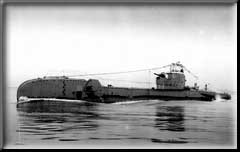
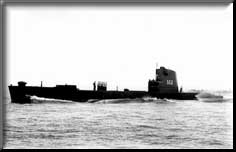
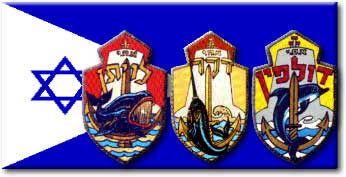
In Israeli service, Turpin became INS Leviathan, Totem became INS Dakar, and Truncheon became INS Dolphin.
The refits and the arrival of the crews
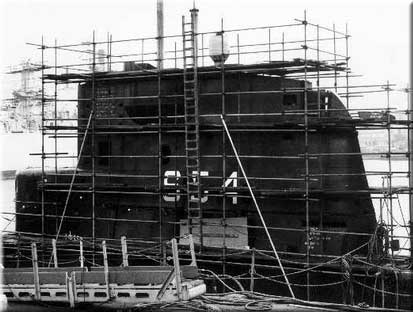
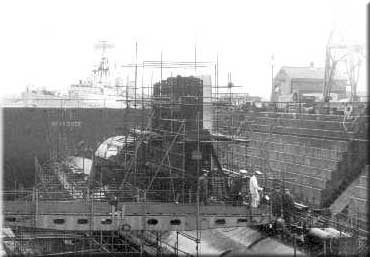
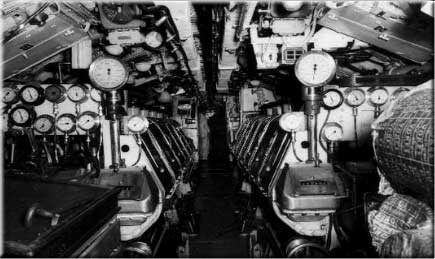
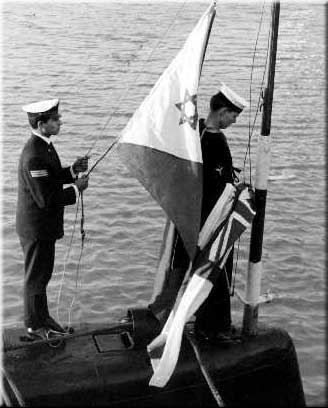
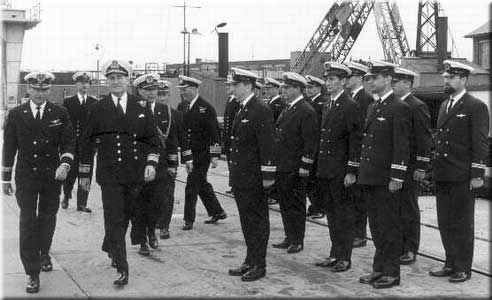
After their purchase from the Royal Navy, Leviathan and Dakar underwent further refits at Portsmouth. Dolphin's refit was carried out in Haifa. A thorough submarine refit could take between eighteen months and two years: the boat was dismantled, its machinery and systems overhauled, and many components replaced. The Israeli crews arrived gradually during this period, while a specialist technical team followed the work from beginning to end.
Leviathan's voyage to Israel
After her refit, Leviathan sailed to Scotland for operational training and sea and diving trials. As tensions rose in the Middle East, her commanding officer, Lieutenant Commander Zeev Almog, received new orders from Naval Headquarters in Haifa: load twelve torpedoes fitted with live warheads and sail for Israel without delay. Leviathan left Scotland on 25 May 1967.
During the voyage, two submariners, Yaacov Tamir and Gershon Ben-Yehuda, were swept overboard in the Irish Sea while working at night to remove the boat's painted hull number. All attempts to find them failed. Tamir's body was found on the Irish coast three weeks later; Ben-Yehuda was never found. Leviathan entered Haifa harbour on 12 June 1967, after the Six-Day War had ended.
Dakar's loss and Dolphin's arrival
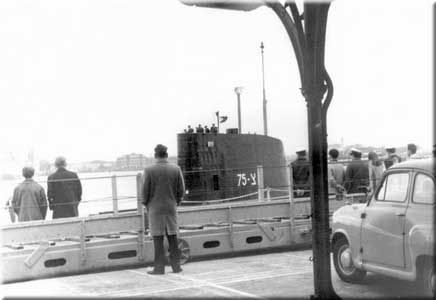
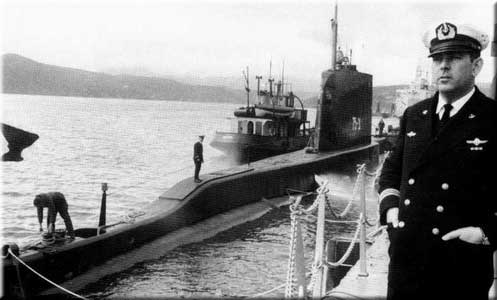
Work on Dakar continued, with her departure from Portsmouth planned for early 1968. Dolphin was to leave a few days later because her refit would take place in Israel. On the voyage from Portsmouth to Haifa, Dakar was lost. Dolphin, making her passage on the surface, joined the search for her missing sister.
The purchase of a third submarine had been kept secret. When Dolphin entered Haifa after the search, rumours spread that Dakar had been found and had returned home. Once the truth became clear, grief was profound. For five families, however, Dolphin's arrival brought relief: five submariners had been transferred from Dakar to Dolphin shortly before Dakar sailed, to reinforce Dolphin's smaller crew.
Operational service
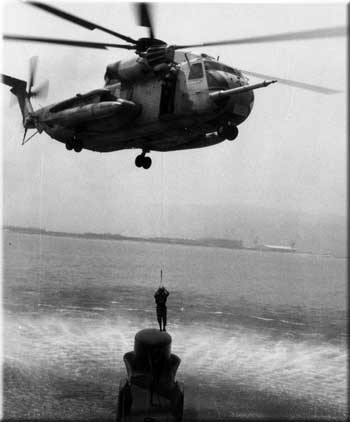
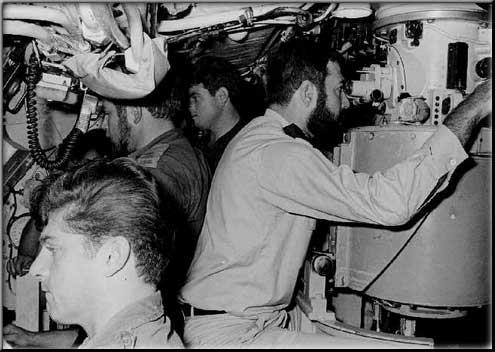
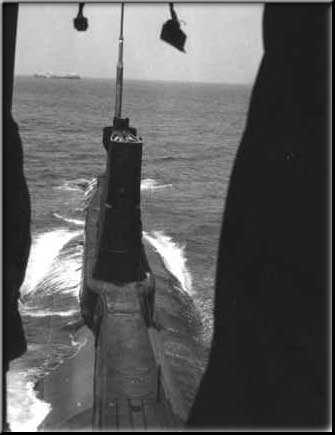
After Dakar's loss, with the cause of her sinking still unknown, restrictions were imposed on the remaining submarines that reduced their operational capabilities. These were the years of the War of Attrition. Despite the restrictions, the boats played an important part in the conflict, conducting intelligence missions deep in enemy waters. Many of those operations were kept secret.
The end of the T-class era
When the Yom Kippur War broke out in October 1973, Leviathan was prohibited from diving, while Dolphin was undergoing her five-year refit. Leviathan was withdrawn from active service towards the end of that year. Dolphin continued alone, chiefly training and qualifying new submariners.
Leviathan ended her days in Haifa Bay as a target for a torpedo fired by Dolphin. Dolphin was later towed to the northern coast of the Sinai Peninsula and sunk in an attempt to create a pier and breakwater for a naval base. The T-class era in the Israeli Navy had come to an end.
The Admiralty drawing
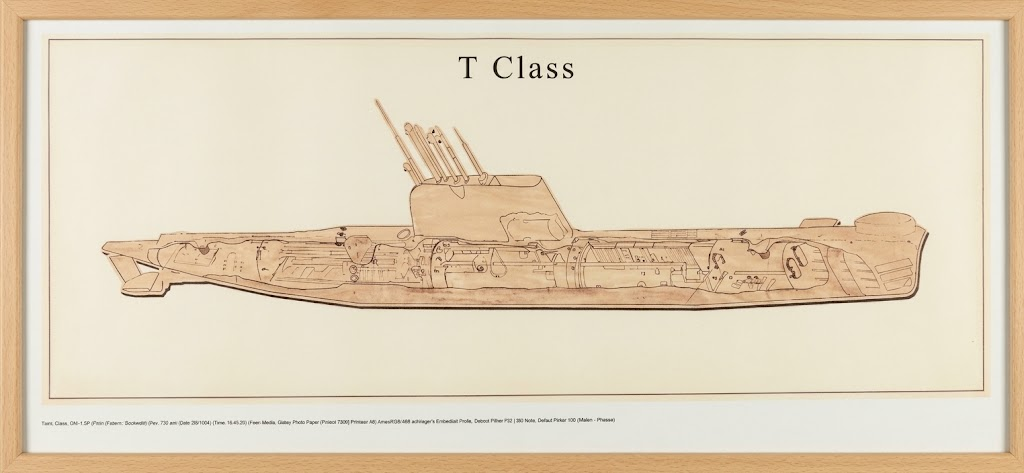
General characteristics
- Displacement
- Approximately 1,520 tonnes surfaced; 1,720 tonnes submerged.
- Length
- 87 metres overall; pressure hull 83 metres.
- Crew
- 67 officers and enlisted personnel.
- Armament
- Six forward 21-inch (533 mm) torpedo tubes.
- Speed
- 11 knots surfaced; 16 knots submerged.
- Diving depth
- 120 metres; safety limit 100 metres.
- Machinery
- Two diesel engines rated at 1,250 hp each; electric propulsion rated at 3,000 hp in total.
- Range
- 3,600 nautical miles.