Click or tap any photograph to enlarge it. Use the arrows to browse.
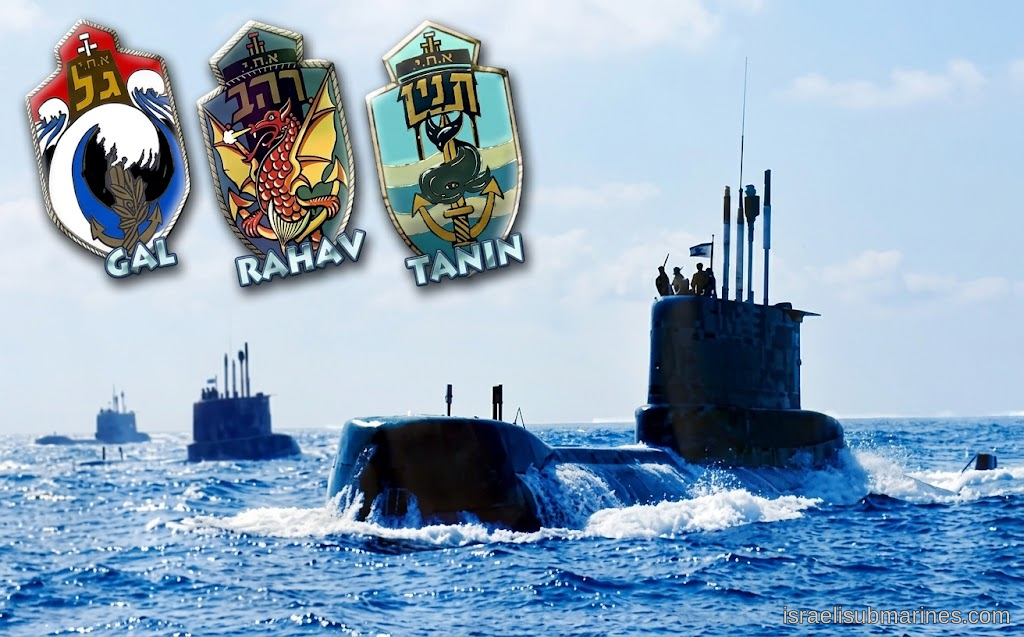
INS GAL · INS TANIN · INS RAHAV
The loss of INS Dakar in 1968 underlined the need for a new generation of Israeli submarines. The S- and T-class boats had helped establish the Submarine Flotilla, but they were ageing vessels designed during the Second World War for operations far from Israel’s shores. The Navy needed modern submarines suited to its own waters and missions: compact, quiet and highly manoeuvrable.
The answer was the Gal class — three purpose-built submarines combining German design, British construction and Israeli operational experience.
A submarine built for Israel
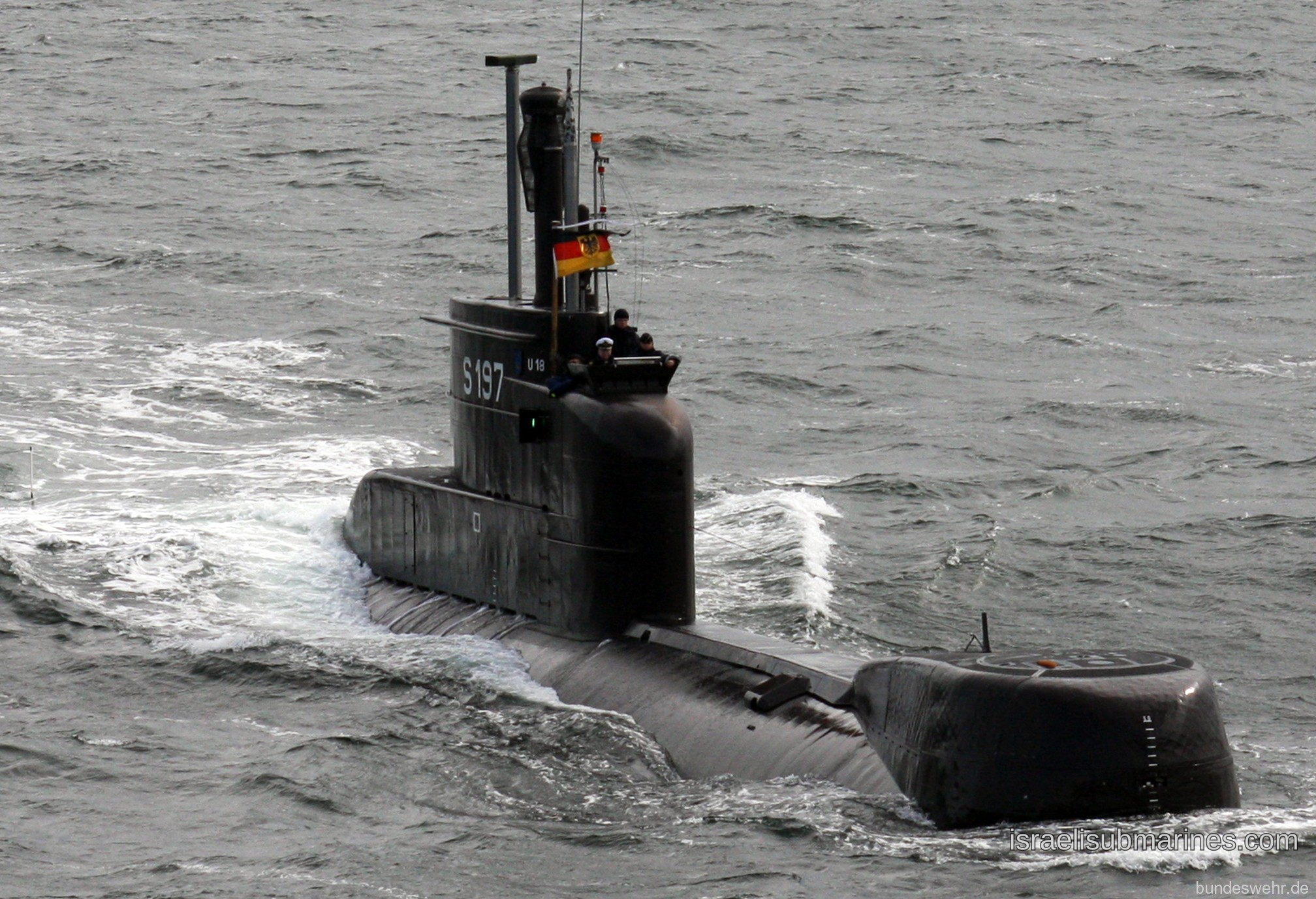
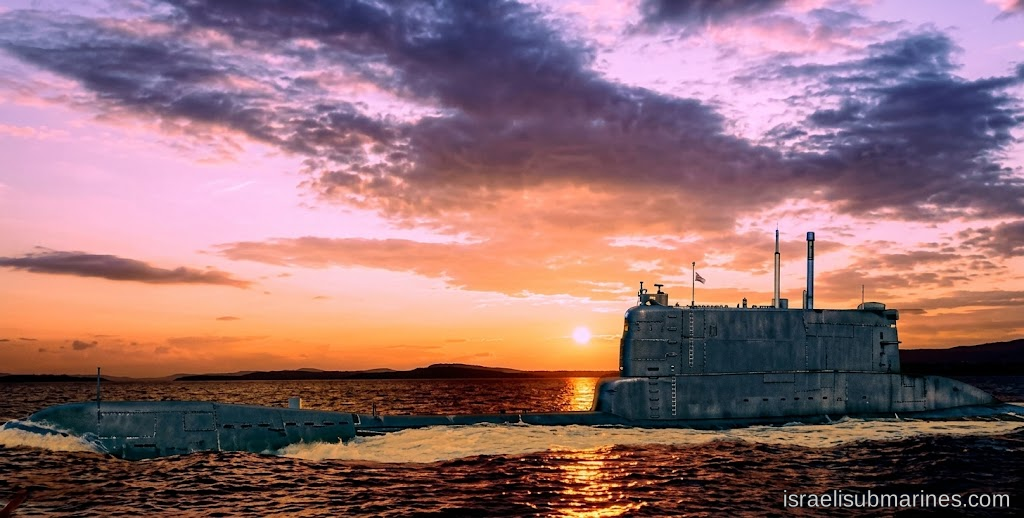
The design drew on the German Type 206 submarine and was adapted to Israeli requirements with input from naval officers and engineers. For political reasons, the boats were built in Britain, at the Vickers shipyard in Barrow-in-Furness. Two revived familiar names, Tanin and Rahav; the third introduced a new name to the flotilla: Gal.
Small boats, skilled crews
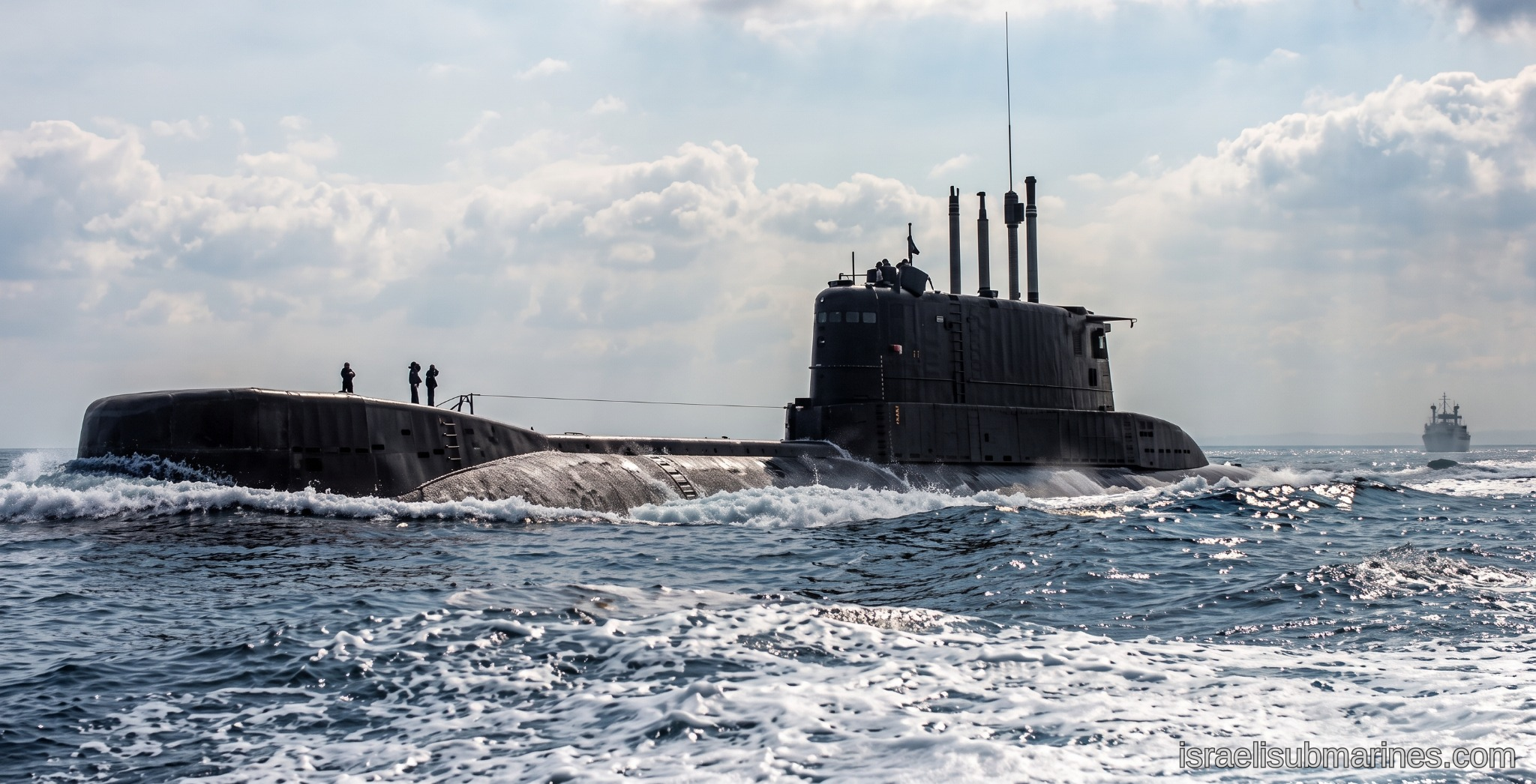
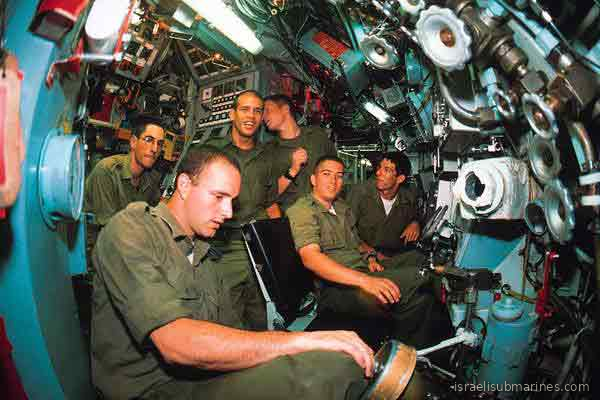
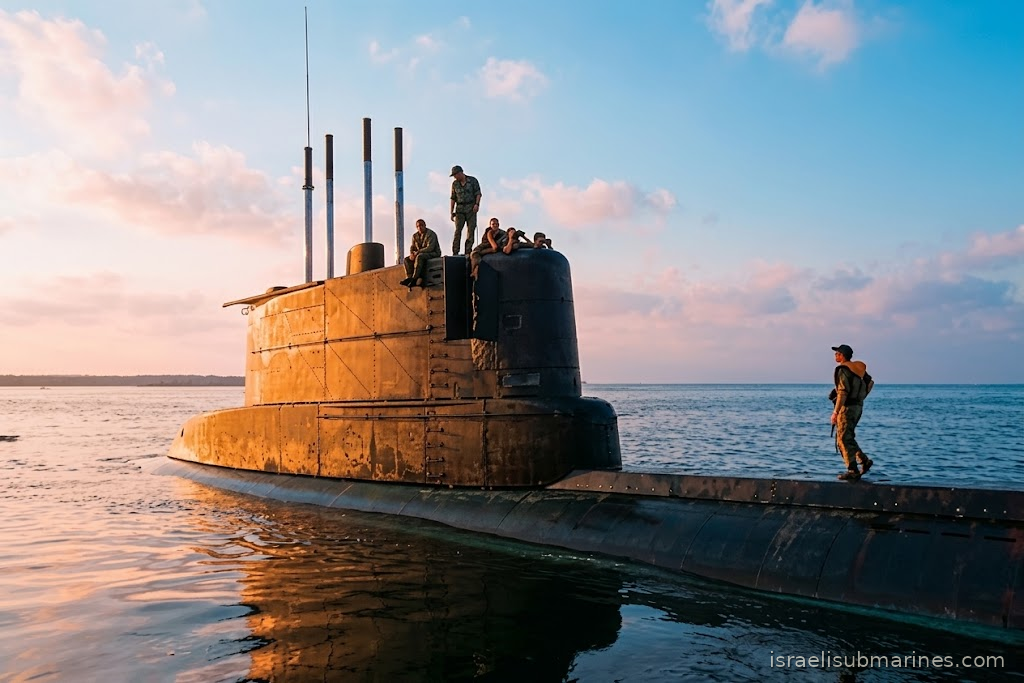
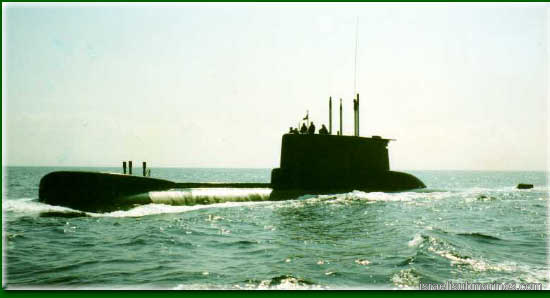
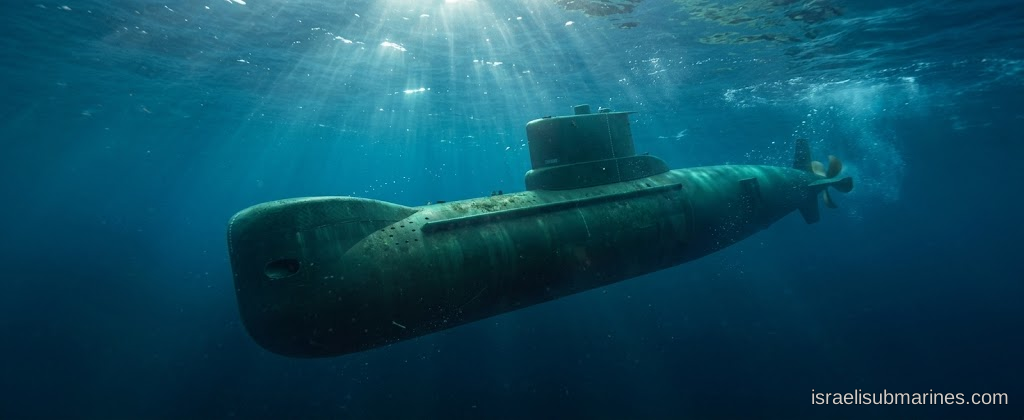
The Gal class was designed for Israel’s maritime operating environment. Smaller than the T-class boats, the new submarines required much smaller crews, with a high level of technical skill and close cooperation among the men aboard. Their size and handling suited operations in nearby waters, while their equipment and weapons represented a major advance over the older boats.
Coming home: 1976–1977
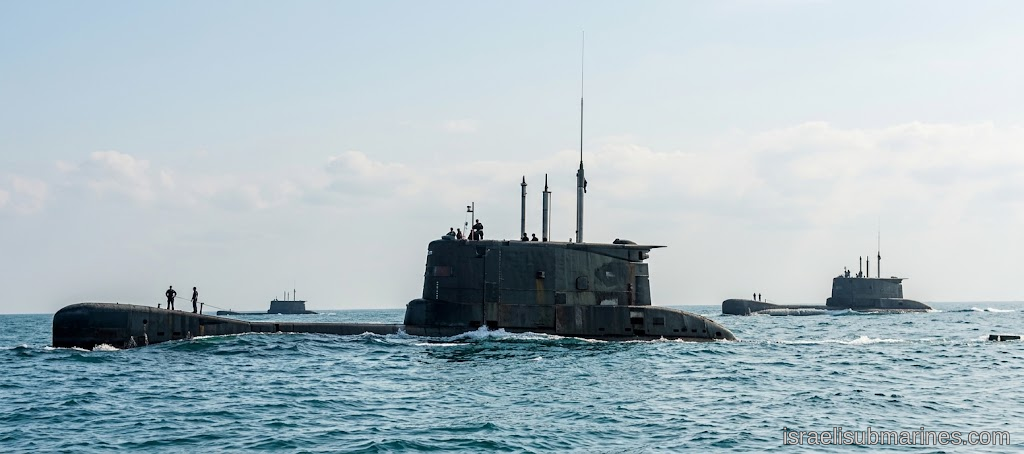
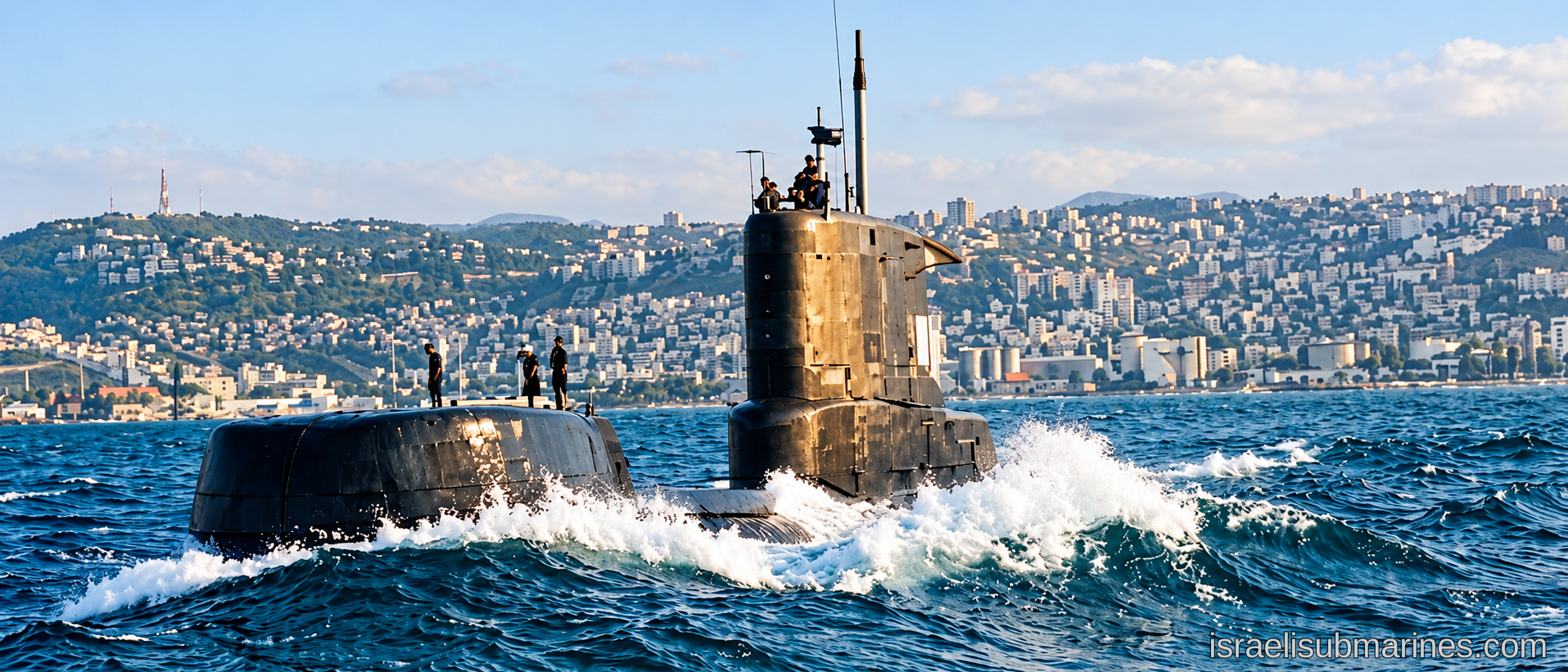
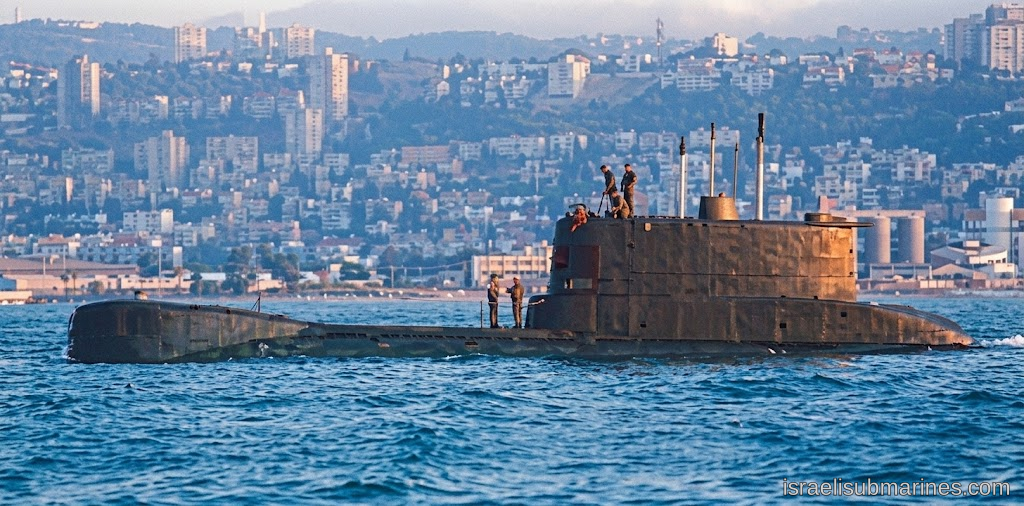
INS Gal reached Haifa in December 1976 under the command of Israel Leshem. INS Tanin followed in July 1977 under Doron Amir, and INS Rahav arrived in December 1977 under Amiram Einat — one year after Gal.
Doron Amir took command of the flotilla shortly before Rahav’s arrival. The Israeli Navy now had three new, modern submarines in operational service. Their arrival coincided with growing tension along Israel’s northern border and intensified operations against the PLO and other armed organisations based in Lebanon.
Operational service
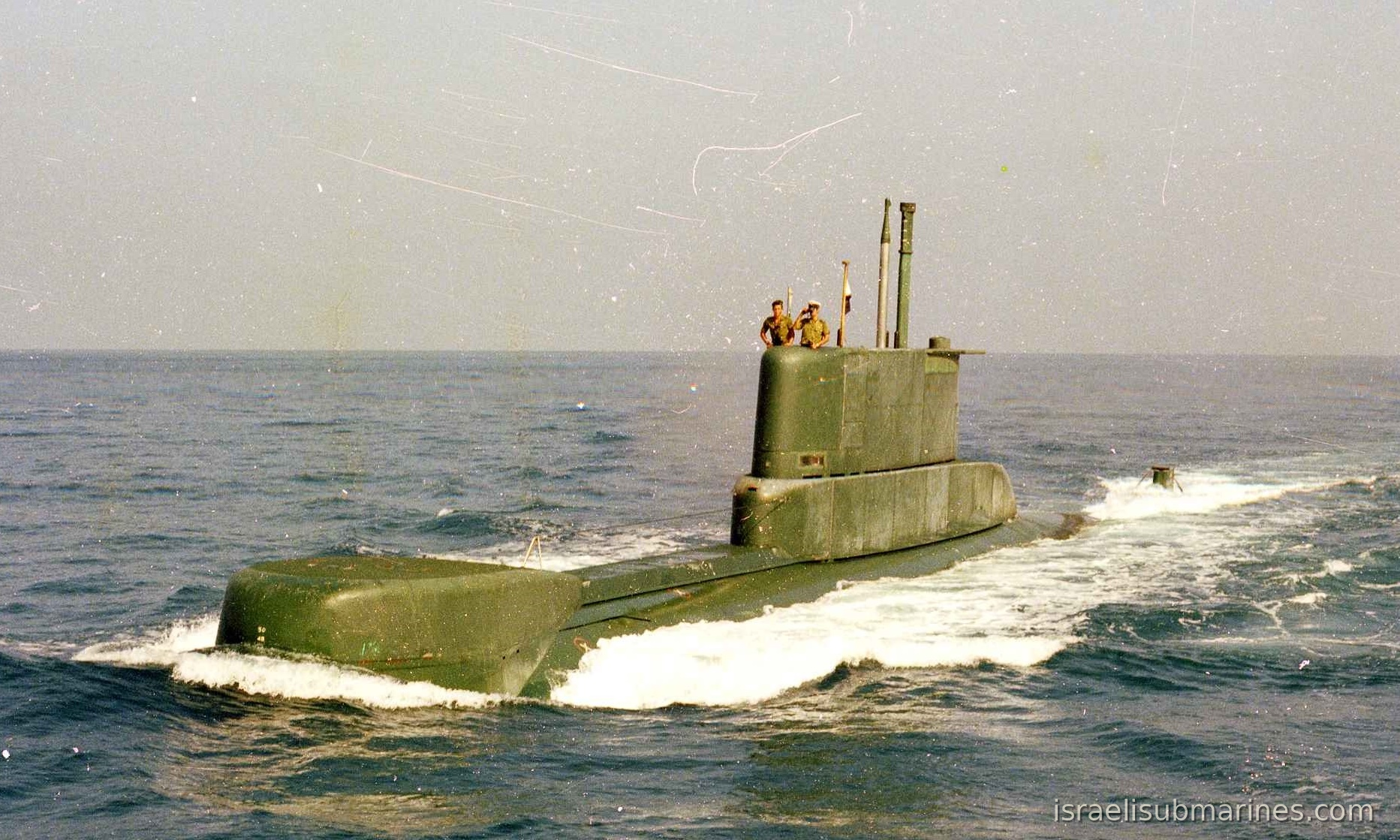
All three boats soon became deeply involved in the Navy’s operations. Their crews wrote an important chapter in the history of the Submarine Flotilla, much of it conducted out of public view. The submarines also played an important role during the 1982 Lebanon War.
Their service demonstrated the value of the concept developed by Ivan Dror and the other members of the Gal project: a small, agile submarine, operated by a highly trained crew and equipped for the demands of Israel’s maritime missions.
Keeping pace with changing needs
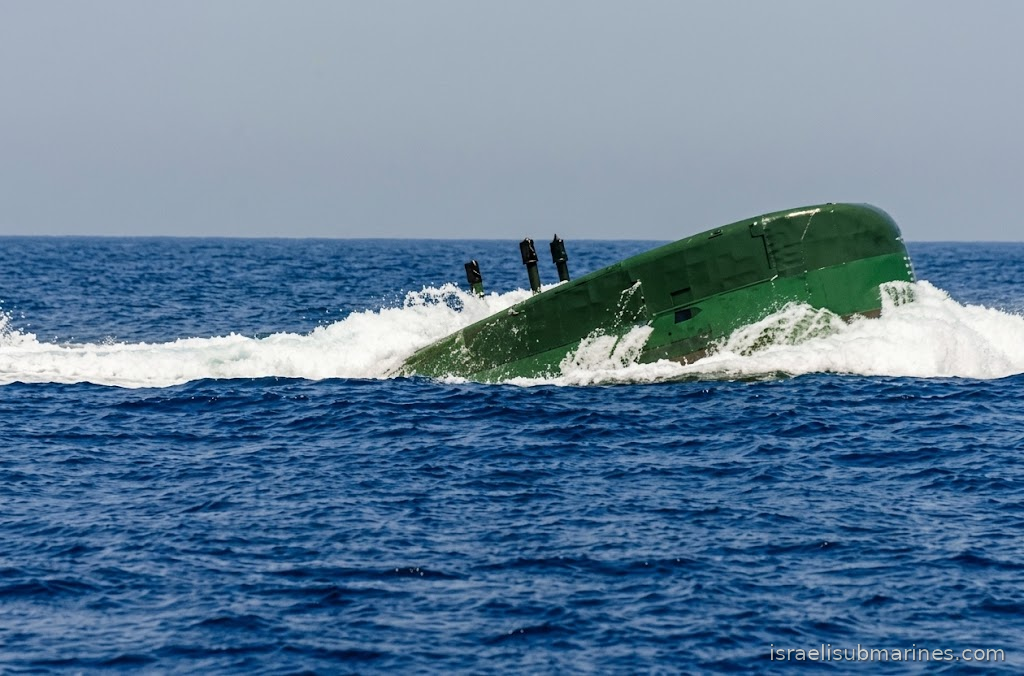
The boats received upgrades throughout their service. In 1983, submarine-launched Harpoon anti-ship missiles and the associated fire-control equipment were added. New NT 37E torpedoes replaced the older Mk 37 models in the late 1980s. Major refits in 1994–1995 brought further improvements to sensors and fire-control systems.
Repeated operational deployments reinforced the importance of a modern submarine force. Planning for the next generation, the Dolphin class, began in the early 1980s, while the Gal boats continued to serve.

The end of an era
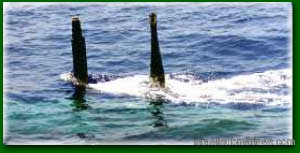
By the time the first Dolphin-class submarines arrived, the Gal boats had served for more than two decades. They were gradually withdrawn as the newer boats took over. Their legacy lay in the operations they had carried out, the crews they had trained and the experience they passed on to the next generation of submariners.
General characteristics
- Builder
- Vickers, Barrow-in-Furness, United Kingdom
- Displacement
- Approximately 600 tonnes surfaced; 660 tonnes submerged
- Length
- 48.9 metres overall
- Beam
- 4.9 metres
- Crew
- 32 officers and enlisted personnel
- Armament
- Eight 21-inch (533 mm) bow torpedo tubes; submarine-launched Harpoon missiles
- Speed
- 11 knots surfaced; 17 knots submerged
Below the surface
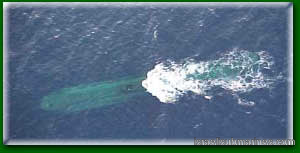
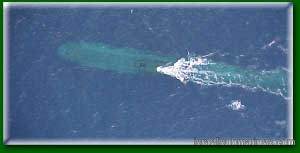
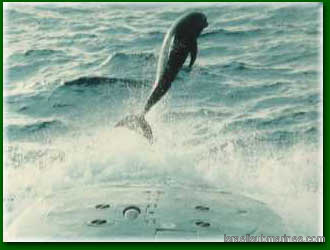
A lasting home in Haifa
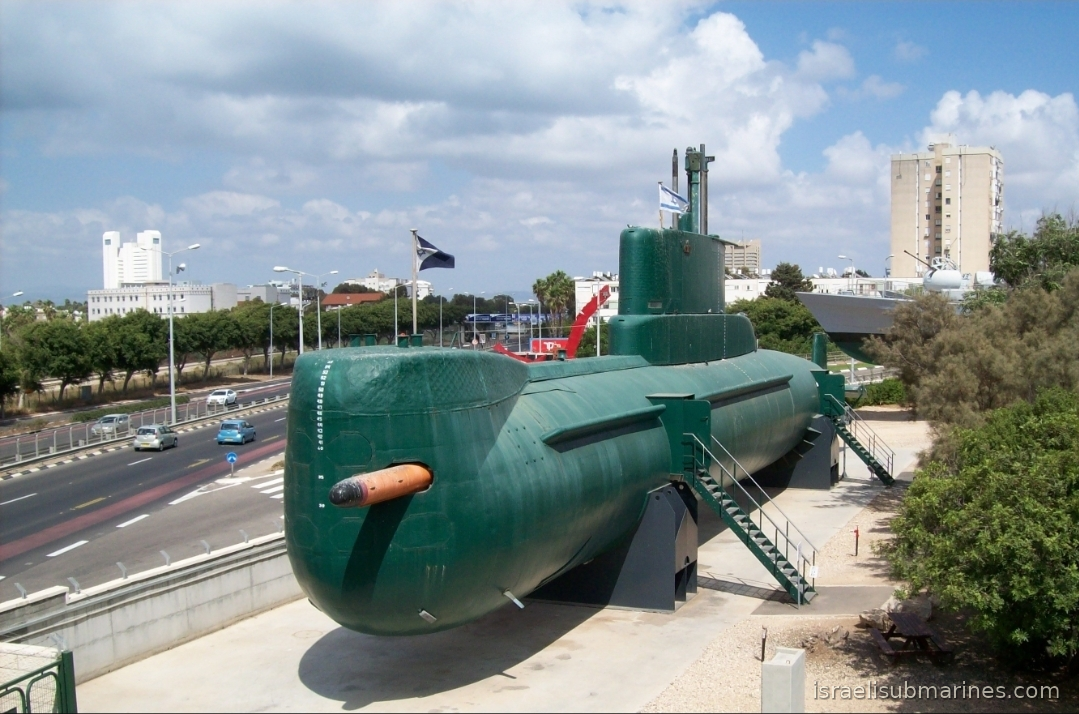
INS Gal was preserved for future generations. After preparation in Germany, she returned to Haifa in October 2007 and was moved to the Clandestine Immigration and Naval Museum. Her preservation offers a tangible connection to the lives and service of the men who sailed aboard the Gal class.