From HMS Totem to INS Dakar
Dakar was a British-built T-class submarine, launched as HMS Totem at Devonport on 28 September 1943. Israel purchased her from the Royal Navy in 1965, together with HMS Turpin, which became INS Leviathan. A third T-class boat, HMS Truncheon, was acquired later and became INS Dolphin.
During the 1950s, Totem underwent a major reconstruction. Her pressure hull was lengthened, the deck gun was removed, two additional electric motors were fitted, and her external profile, conning tower and bridge were rebuilt.
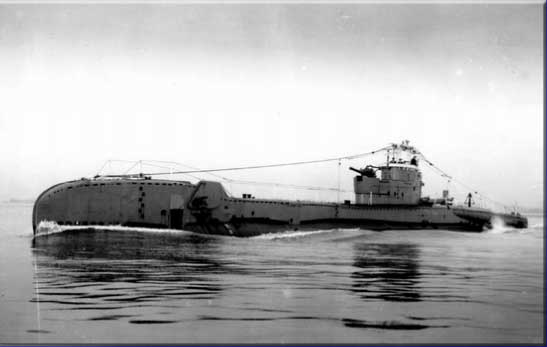
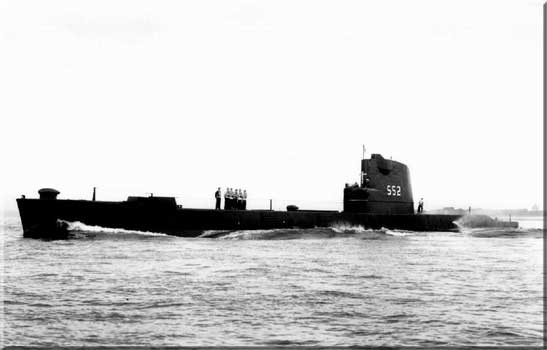
Joining the Israeli Navy
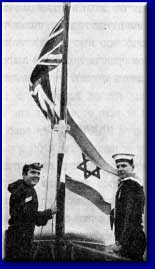
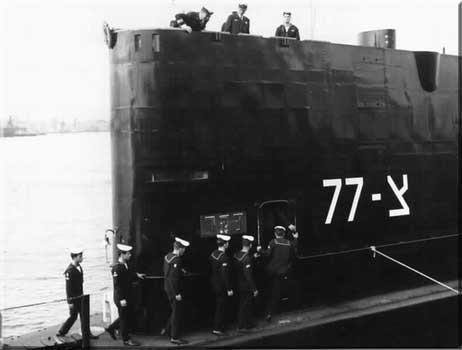
On 10 November 1967, following a lengthy refit at Portsmouth, the Israeli naval ensign was raised aboard the submarine. Renamed INS Dakar, she entered Israeli service under Lieutenant Commander Yaakov Ra’anan (Frisch). She then sailed for Scotland for work-up training, sea trials and diving trials.
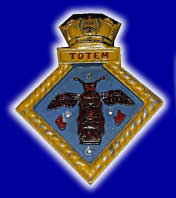
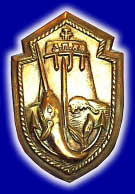
The Hebrew name Dakar refers to a grouper, although the submarine’s crest depicts a swordfish.
Work-up training in Scotland
Dakar spent about two months in Scotland, successfully completing her trials under the supervision of Israeli and Royal Navy specialists. Towards the end of 1967, she returned to Portsmouth to prepare for the voyage to Israel.
9 January 1968 — the voyage home
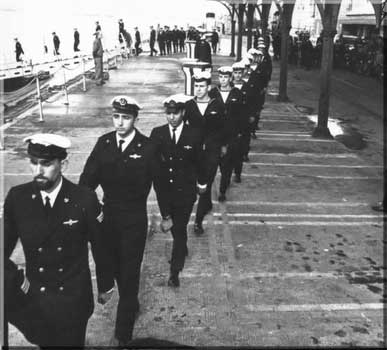
On 9 January 1968, Dakar was ready to leave Britain. Earlier that day, HMS Truncheon was handed over to the Israeli Navy as INS Dolphin. After the short ceremony, on a cold winter day, Dakar cast off from the submarine base at HMS Dolphin in Portsmouth and began her voyage to Haifa.
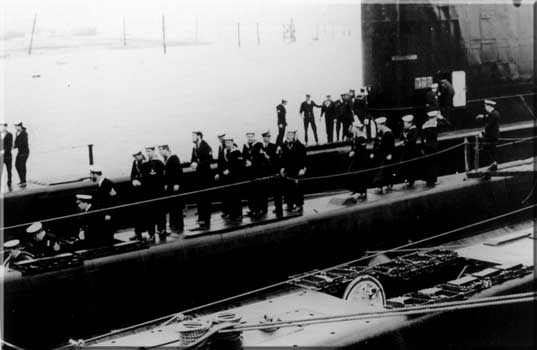
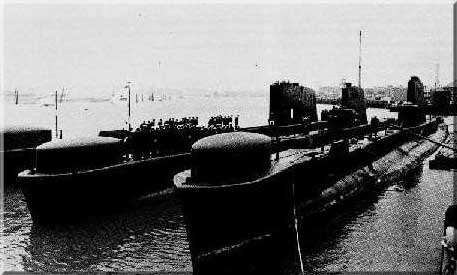
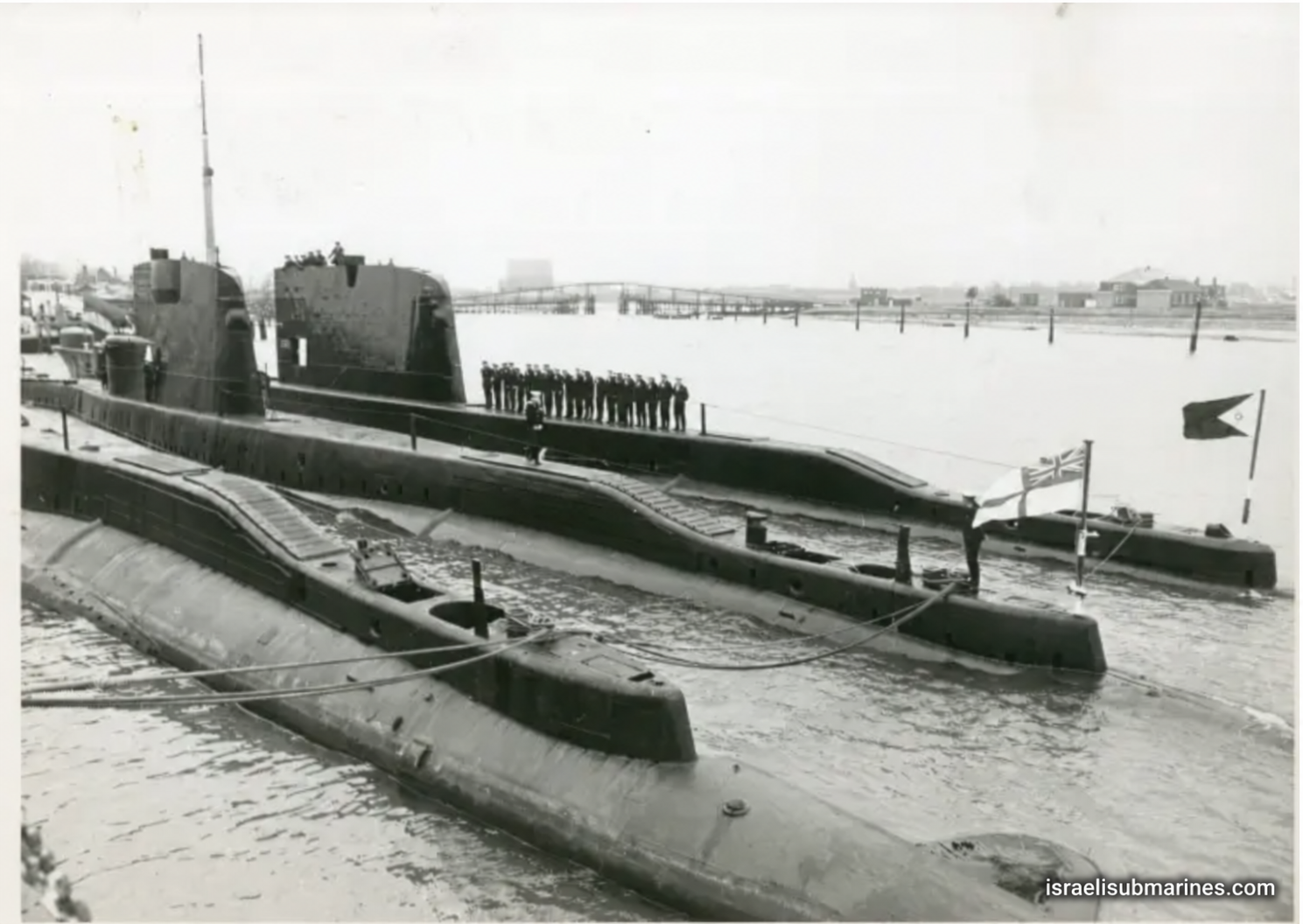
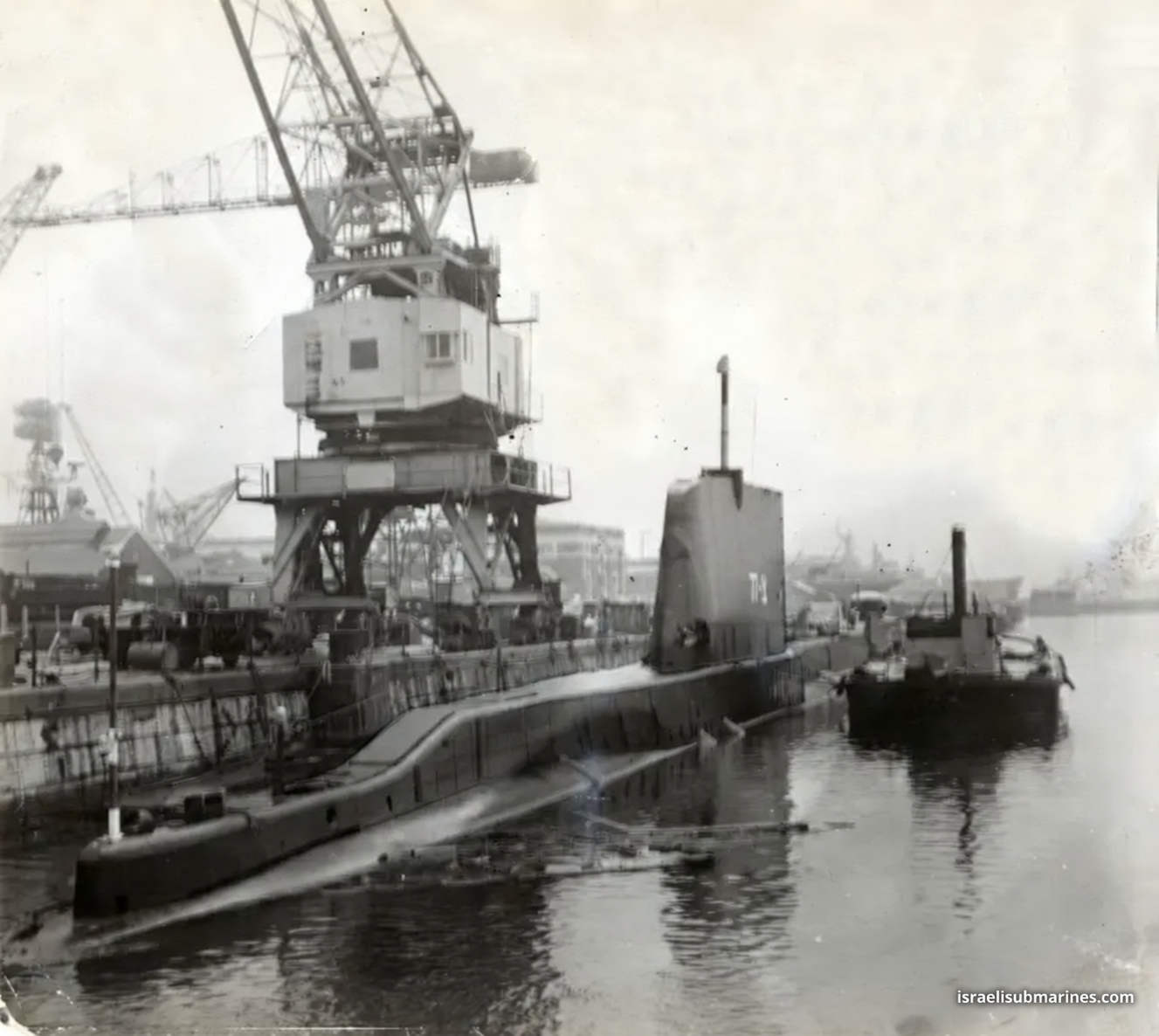
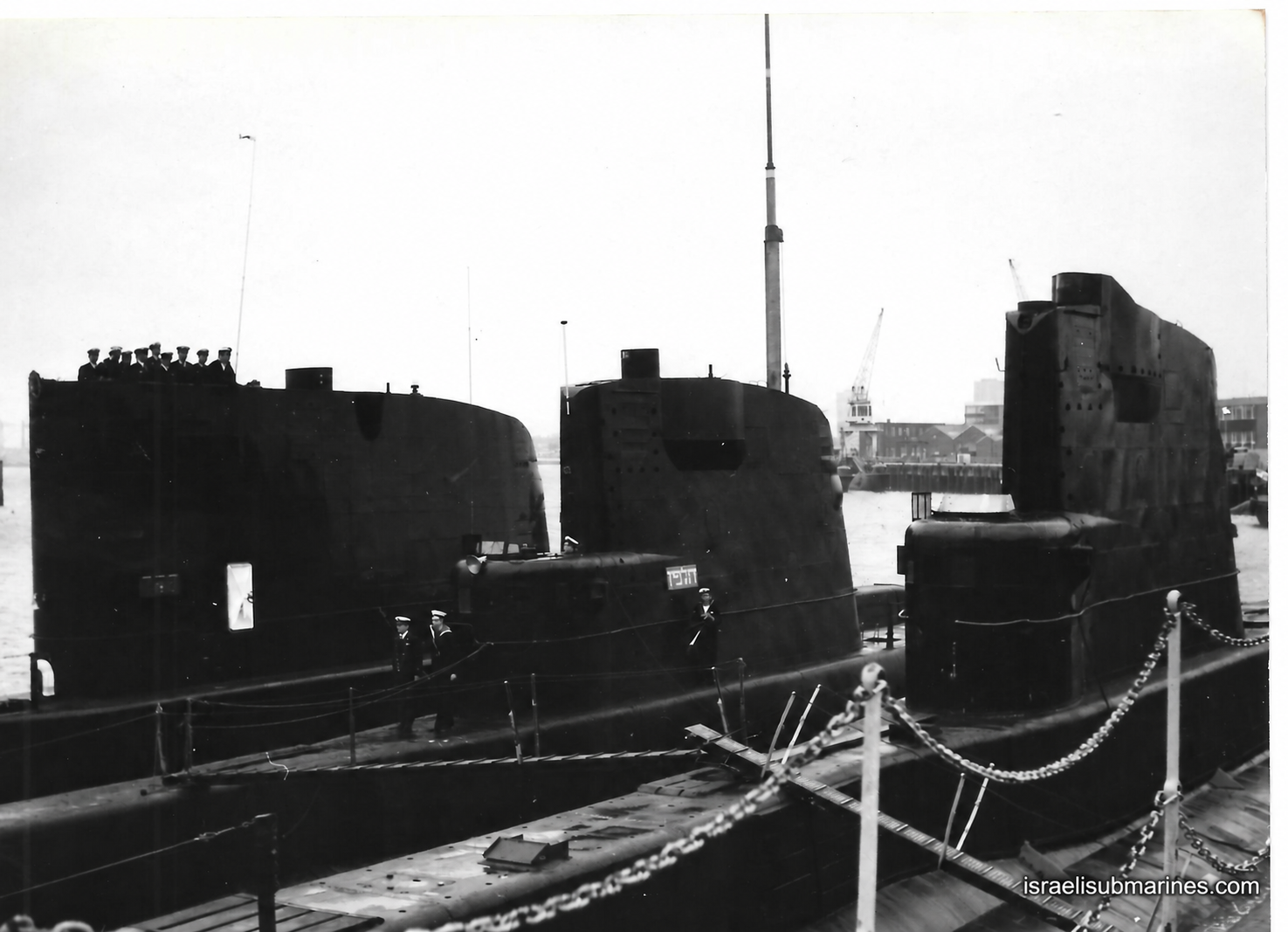
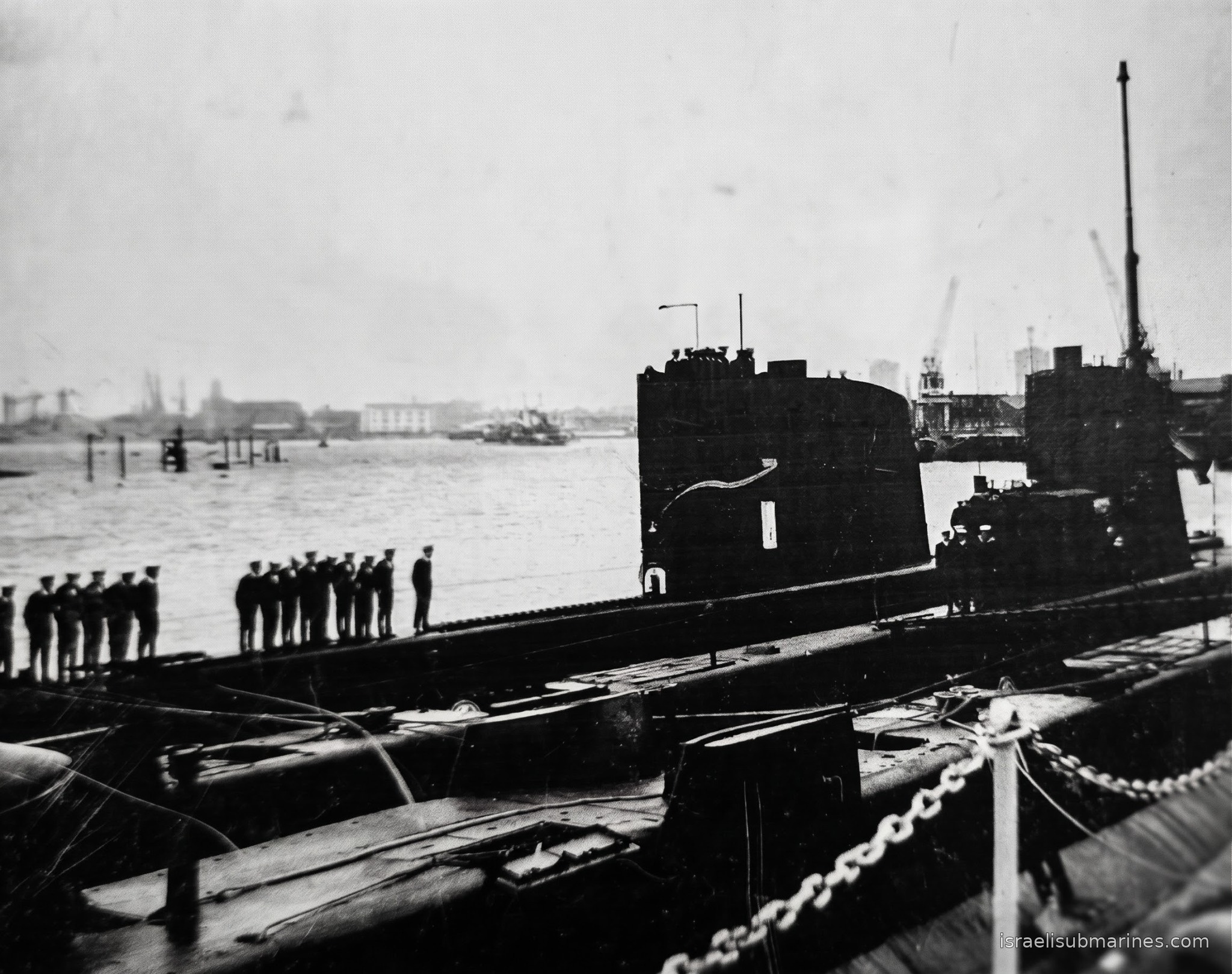
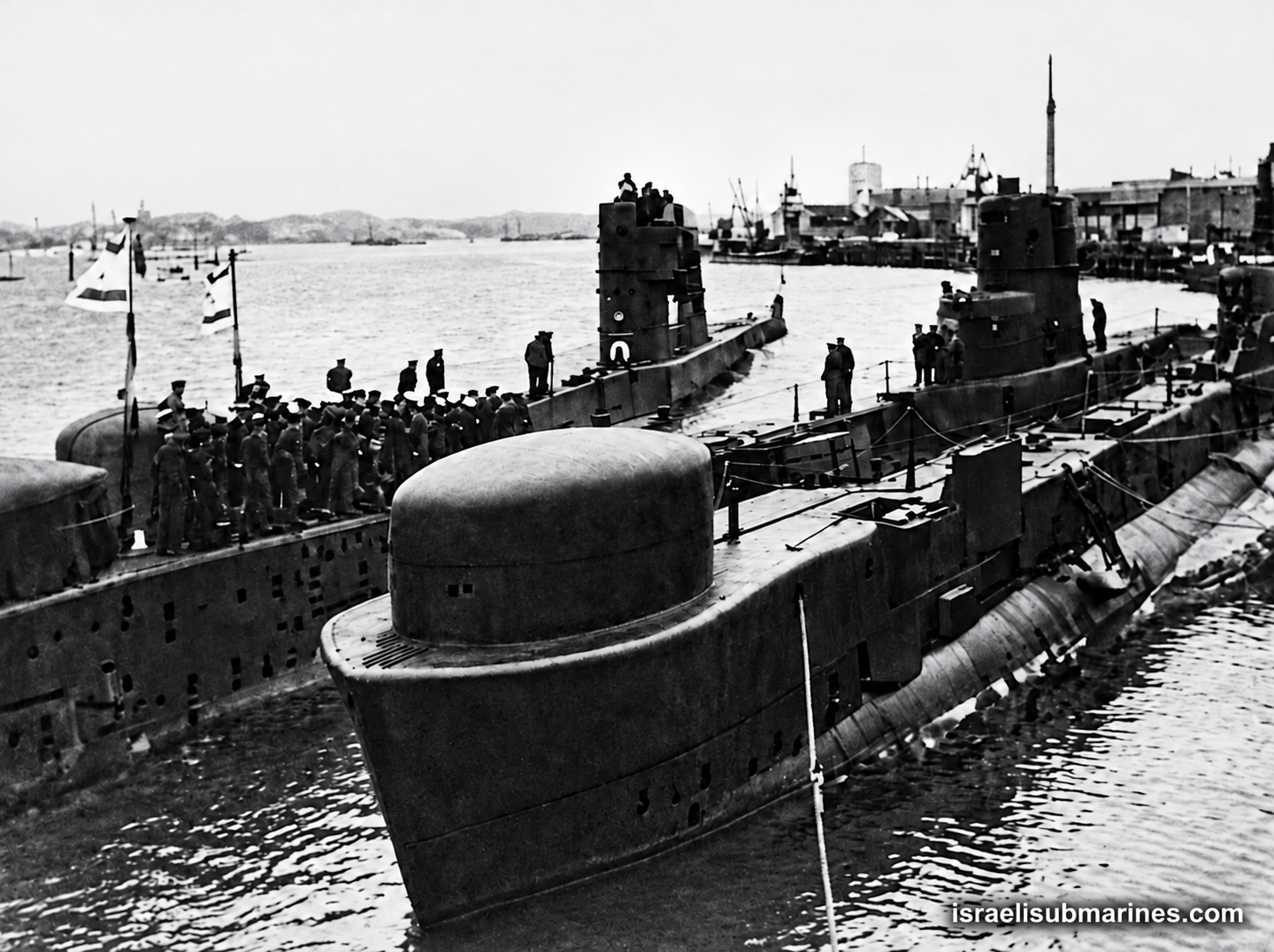
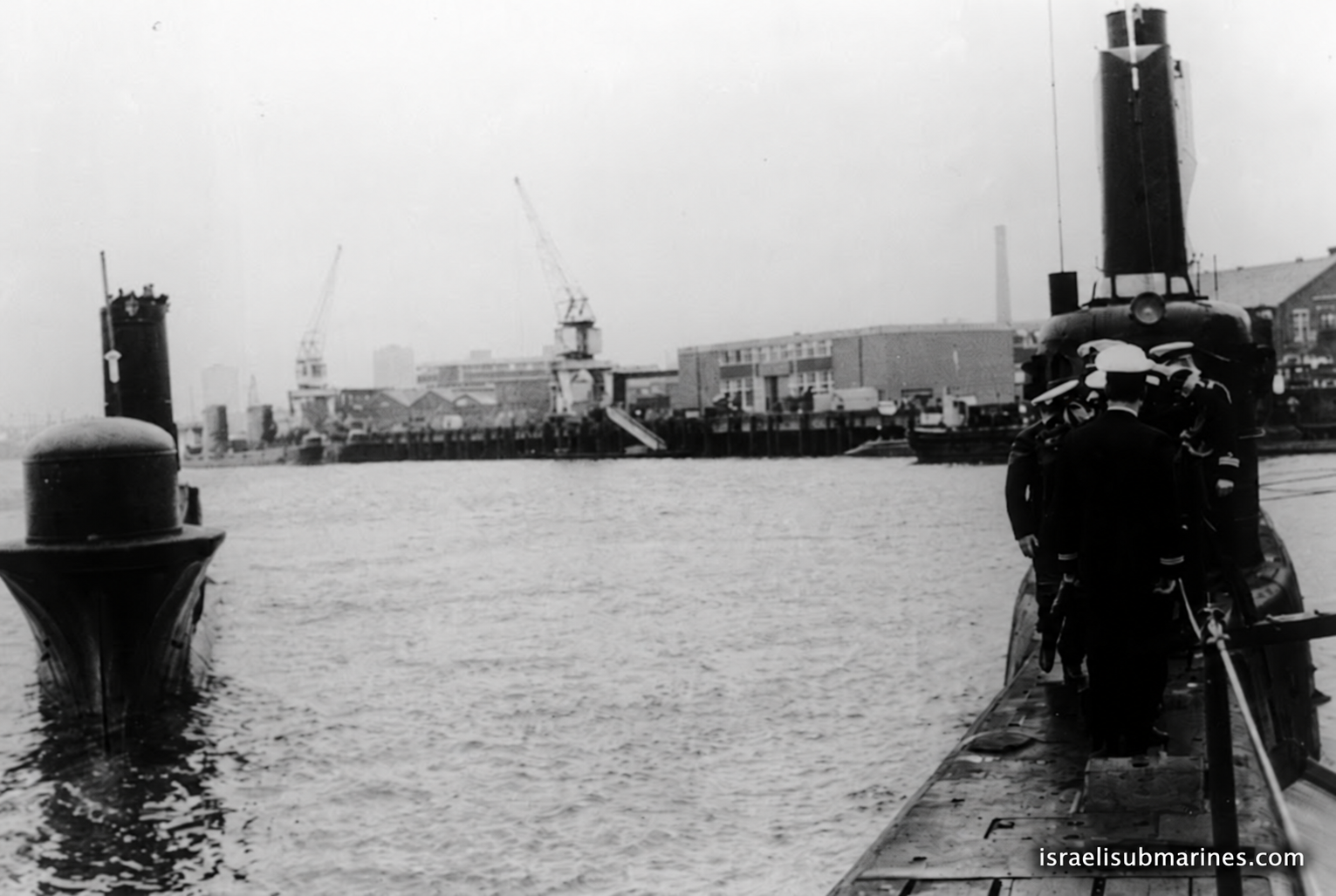
On the morning of 15 January, Dakar entered Gibraltar. She sailed again around midnight. This was the last occasion on which the submarine and her crew were seen.
Across the Mediterranean
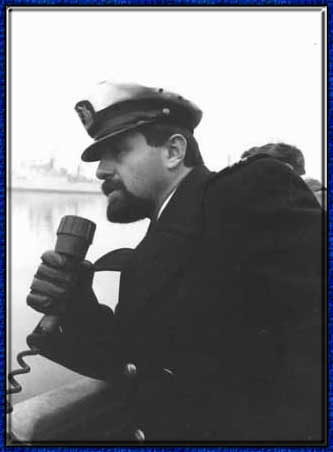
Ra’anan’s orders from Navy Headquarters in Haifa were to cross the Mediterranean submerged, using the snorkel as required. The snorkel admitted air for the diesel engines while the submarine remained just below the surface.
Dakar was required to send a routine check-in message every six hours and a position report every 24 hours. Her arrival in Haifa was originally scheduled for 2 February. As she made better progress than expected, Ra’anan received permission to arrive on 29 January. A further request to arrive on 28 January was declined because the welcoming ceremony had already been arranged.
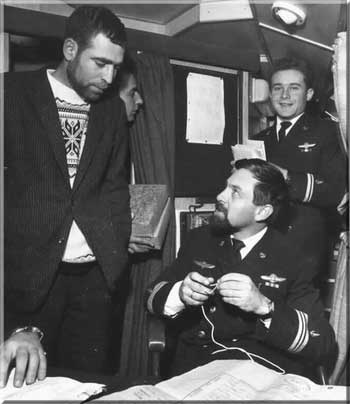
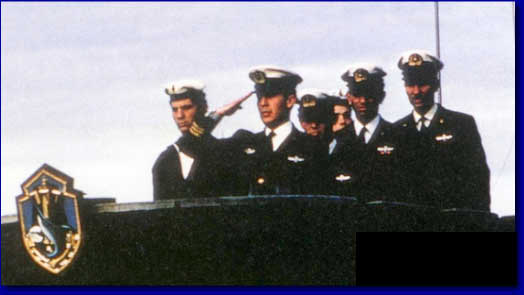
Read more in Yaakov Ra’anan’s private album (Hebrew).
The final transmission
On the morning of 24 January, Dakar reported her position south of eastern Crete. Over the next 18 hours she sent three further routine messages, without position reports. At 00:02 on 25 January, Navy Headquarters received her final coded message.
The next scheduled transmission, due at 06:00, did not arrive. Radio watch was intensified and Dakar was repeatedly called, including on an open international frequency using her call sign, 4XP-Z. At first, communications difficulties were suspected. No further confirmed transmission was received.
The route
- 9 JanuaryDeparture from Portsmouth
- 15 JanuaryGibraltar
- 24 JanuaryLast position report, south of Crete
- 25 JanuaryFinal radio message
From Portsmouth to the Mediterranean
After the animation loads, select PLAY to follow the voyage, or STOP to pause it.
The search for Dakar
An international search-and-rescue operation began on 26 January. Israeli ships and aircraft joined naval and air units from Britain, the United States, Greece, Turkey and Lebanon in the effort to find the missing submarine.
On 27 January, a radio station in Nicosia received a distress signal on the frequency used by Dakar’s emergency buoy. It was thought to have come from southeast of Cyprus. The area was searched, but nothing was found; the signal was never confirmed as having come from Dakar.
On 30 January, search headquarters in Cyprus concluded that the prospects of finding survivors were almost nil. The international search ended at sunset on 31 January. Israeli forces continued for four more days, returning to their bases at sunset on 4 February.
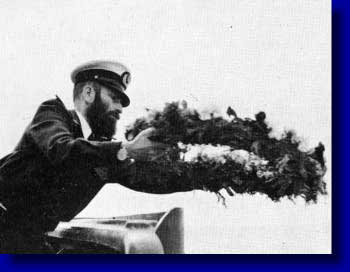
Found after 31 years
On 28 May 1999, the wreck of Dakar was found on the seabed between Crete and Cyprus. The discovery ended decades of uncertainty about her location. The cause of her loss has not been conclusively established.
In memory of Dakar and her crew
On 6 March 1968, Defence Minister Moshe Dayan announced in the Knesset that Dakar and her crew were considered lost. A day of national mourning was declared, and flags were lowered to half-mast. The IDF Chief Rabbi, Major General Shlomo Goren, ruled that the 69 missing men were to be regarded as deceased under Jewish law.
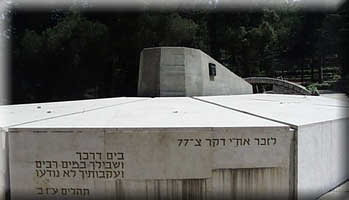
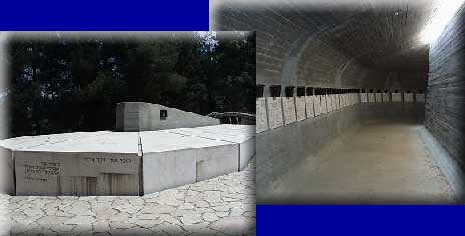
At Israel’s national military cemetery on Mount Herzl, the names of all 69 men are engraved on a submarine-shaped memorial. The seventh day of Adar, traditionally the anniversary of Moses’ death, is a day of remembrance for fallen service members whose burial places are unknown.
The story of the totem pole
Before entering Israeli service, Dakar had served in the Royal Navy as HMS Totem. In 1945, the Cowichan people of Canada presented the submarine with a carved totem pole. For many years it was displayed on the bridge when Totem entered or left harbour.
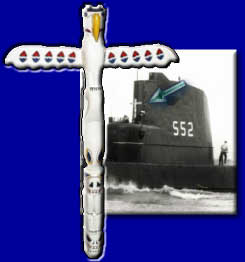
A tradition associated with the pole held that no harm would come to the submarine while it sailed with her. The story is preserved as part of Totem’s folklore. The Royal Navy Submarine Museum in Gosport has commemorated Dakar and her crew.
Historical reference: Israel Ministry of Defence Archives — INS Dakar.