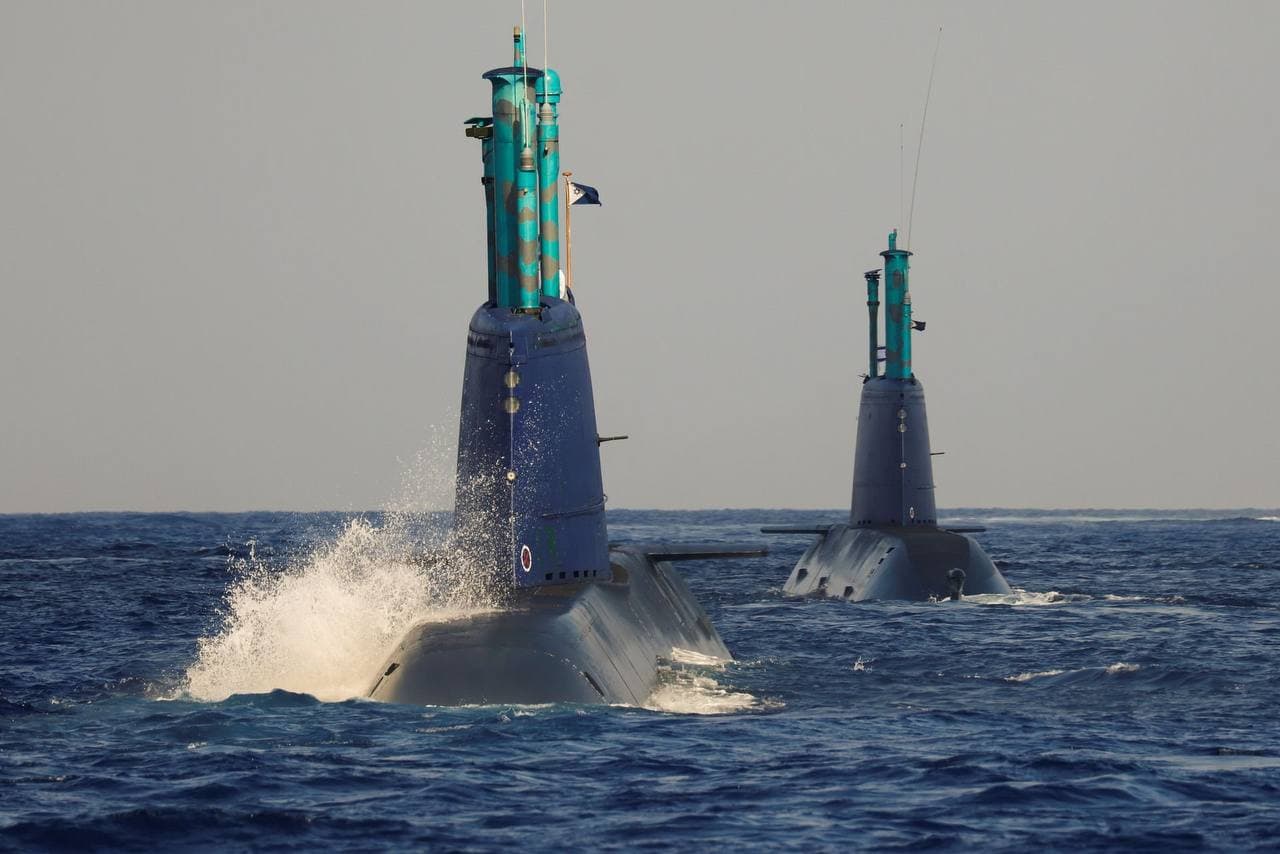
Each generation of submarines gave the flotilla new possibilities. The S-class boats marked a breakthrough and the beginning of cooperation with Flotilla 13. The T-class served in the War of Attrition and formed a bridge to the next generation, training submariners for the Gal-class boats, which adapted Israel’s underwater force to its own maritime environment. The Dolphin class expanded its operational and combat capabilities. Dolphin AIP took another step: enabling a submarine to operate submerged for longer and reducing its dependence on air from above the surface. For a vessel whose strength lies in stealth, this is a significant change.
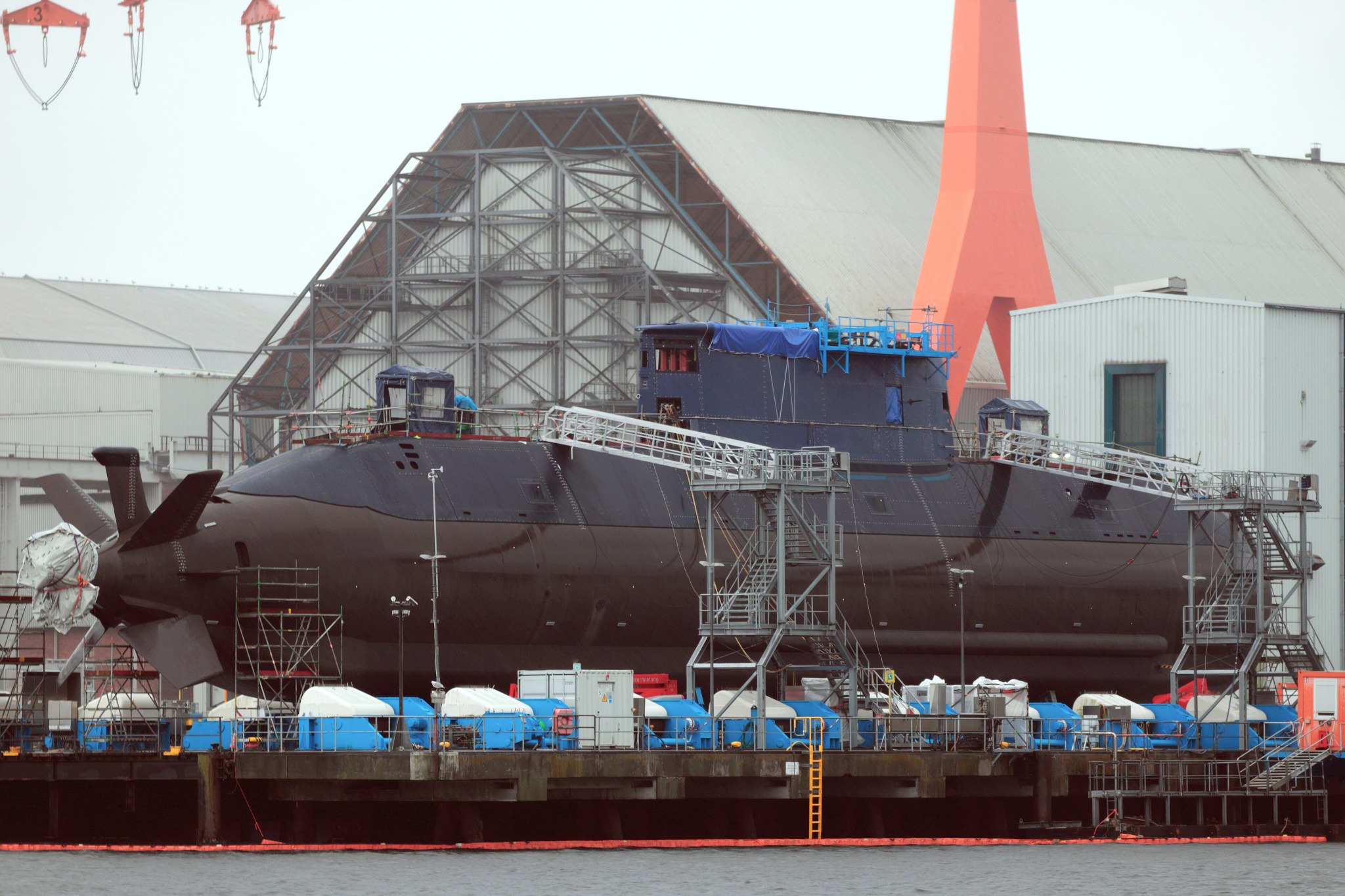
The three submarines in the class were built in Kiel, Germany. Their design combines German submarine-building experience with the operational requirements of the Israeli Navy. A substantial proportion of their systems were developed in Israel. Behind each submarine’s eventual arrival in Haifa lie years of work by engineers, shipyard personnel, naval officers and submarine crews, who follow construction and sea trials through to delivery.
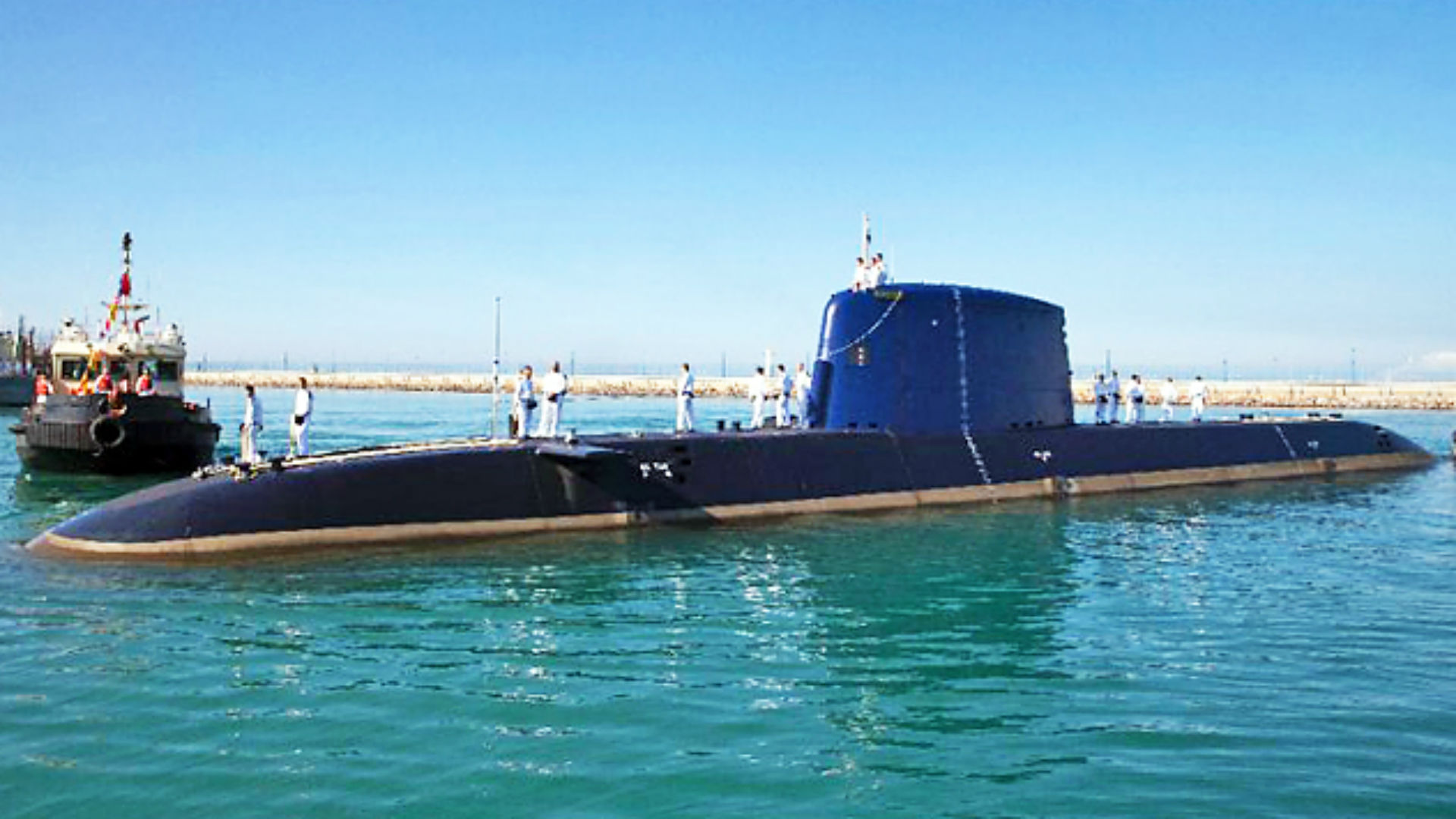
AIP stands for air-independent propulsion. In a conventional diesel-electric submarine, batteries supply energy while submerged. Charging them with diesel engines requires air, so the submarine must rise to snorkelling depth and raise its air intake mast. The new generation added a fuel-cell system that produces electricity from hydrogen and oxygen carried aboard. This allows power generation to continue underwater and extends the time spent submerged.
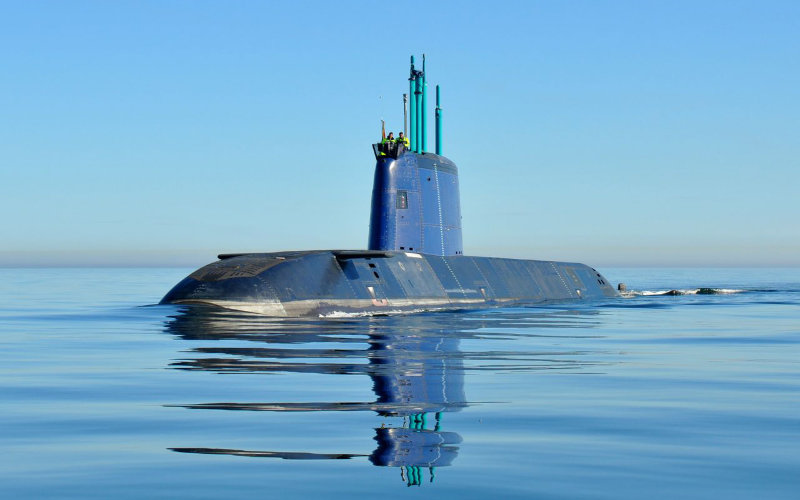
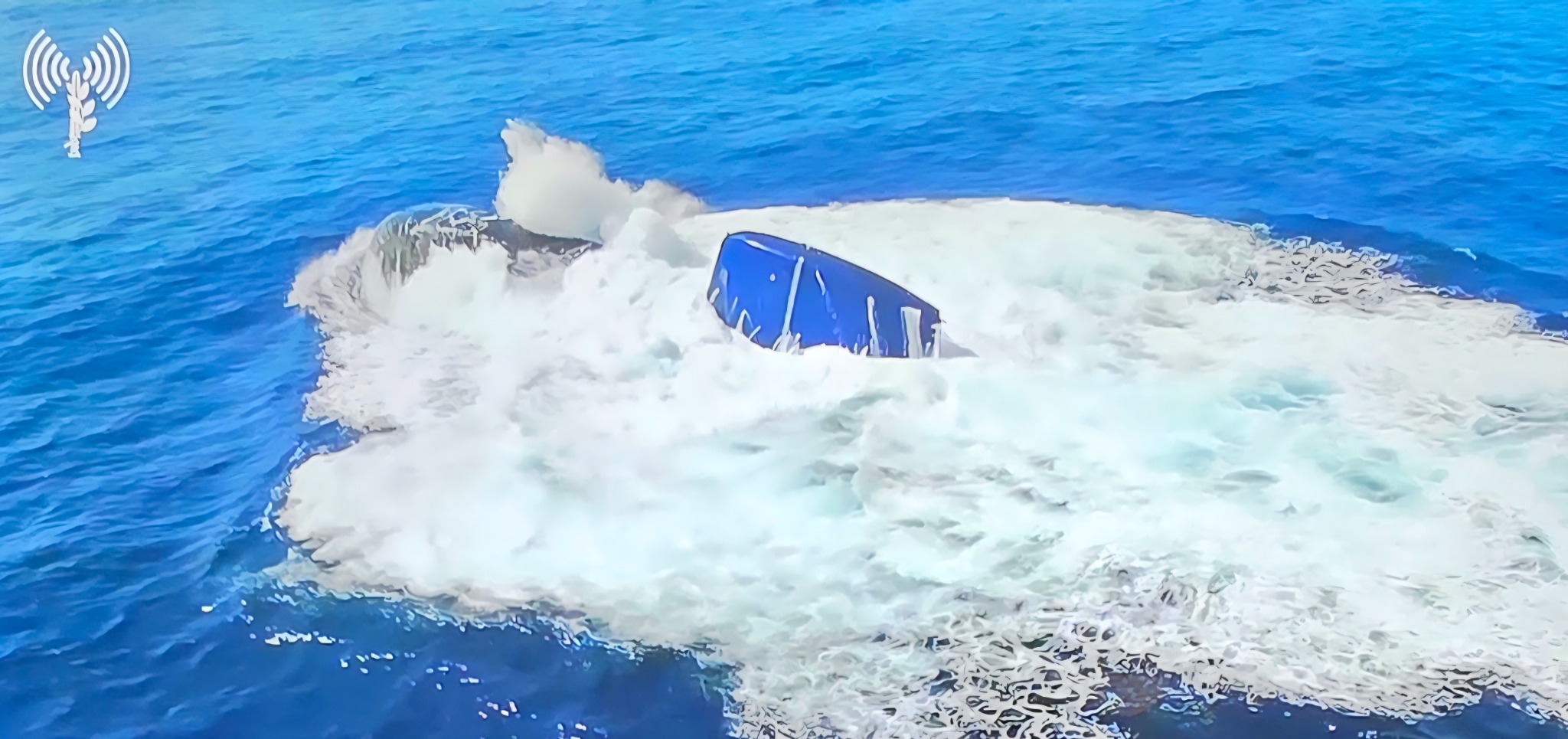
The operational advantage is straightforward: the submarine can remain underwater longer before rising to snorkelling depth and running its diesel engines to charge its batteries, with the associated risk of detection. It can remain submerged for many weeks without an adversary knowing where it is.
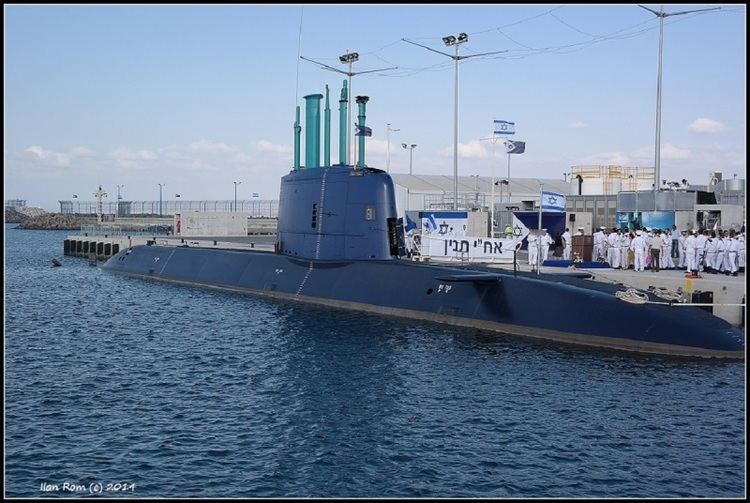
Tanin and Rahav connect the new generation with the flotilla’s beginnings. These were the names of Israel’s first two submarines, which returned to service in the Gal class. The new INS Tanin arrived in Haifa in September 2014, followed by INS Rahav in January 2016. Tanin and Rahav were once again in their home port, this time with systems and capabilities their first crews could only have imagined.
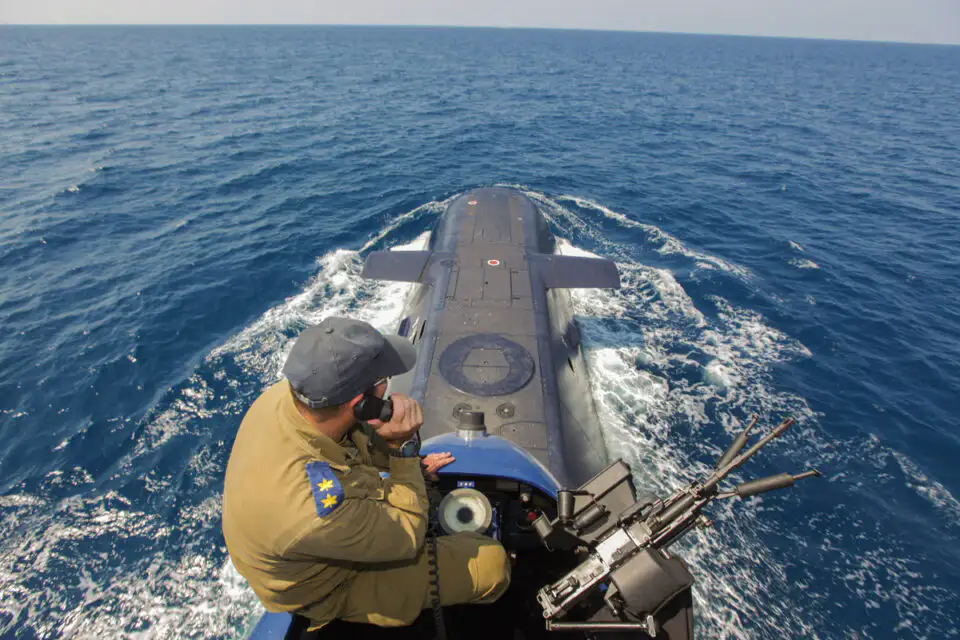
The new technology does not change the submariner’s work. Life inside the pressure hull still calls for the same familiar qualities. Watch follows watch, with maintenance, preparations and drills in between. Privacy is limited, family is far away, and the crew are each other’s closest companions for long periods. Each crew member must know their job and report accurately. At sea, and especially beneath it, a person’s reliability is part of their shipmates’ safety.
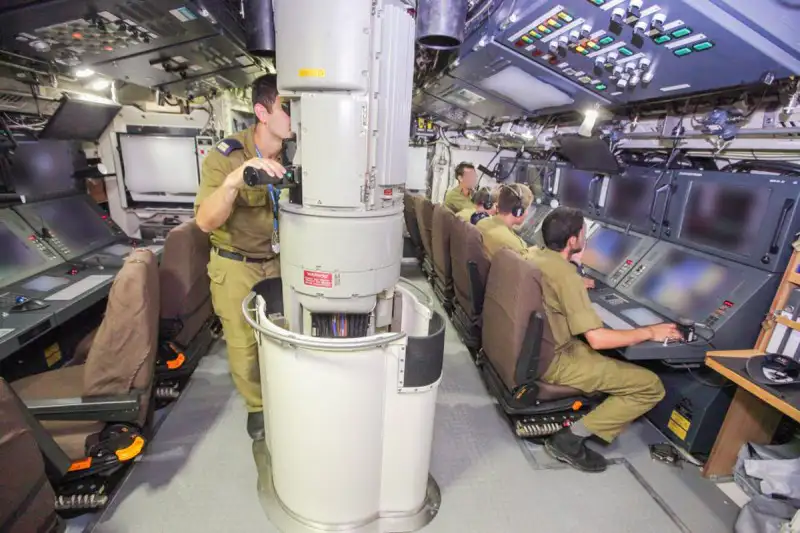
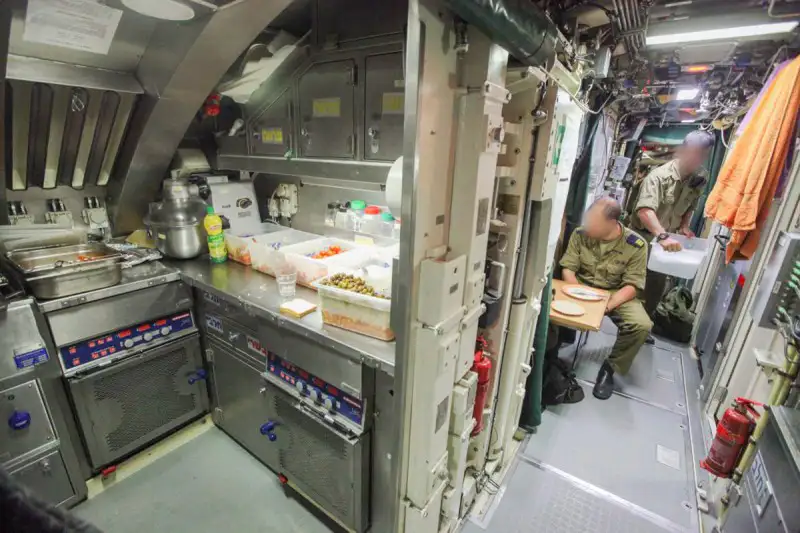
The galley is also part of this life. Napoleon said that an army marches on its stomach; the same is true of a submarine. A good meal, bread baked aboard and a cup of coffee between watches help maintain morale and offer the crew a brief respite from the demanding routine. The IDF has long provided quality food for its submarine cooks. Alongside the computers, displays and weapons systems, the human story of the flotilla continues: people living and working together, sharing a small space and a great responsibility.
On 24 September 2026, INS Drakon entered Haifa port, completing the Dolphin AIP class. Drakon was built over an extended period, and her design incorporates innovations that distinguish her from her sister boats. She brings additional systems and capabilities to the flotilla. Her arrival in home port concludes the journey of construction and delivery and begins her integration into the Navy.
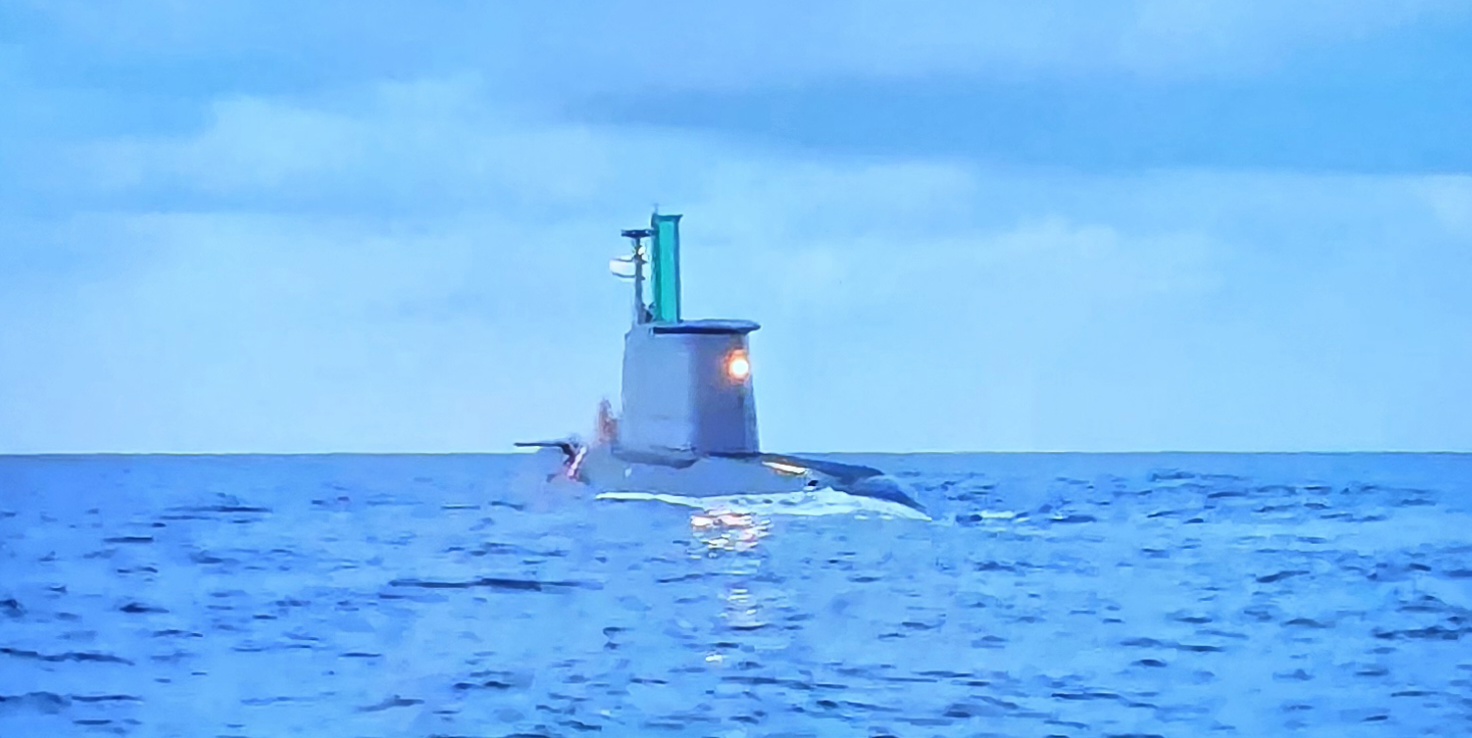
Submarines have names, emblems and arrival dates that can be published. Most of their operational story remains unknown to the public. The photographs on this page show what can be seen: a submarine at sea, the crew at their stations and the return to the pier in Haifa. Behind them lies the work for which the submarines were built and for which flotilla crews put to sea again.